Afterglow: Rebuilding light and atmosphere with AI
"All the time I used to spend on logistics goes directly into the creative work."
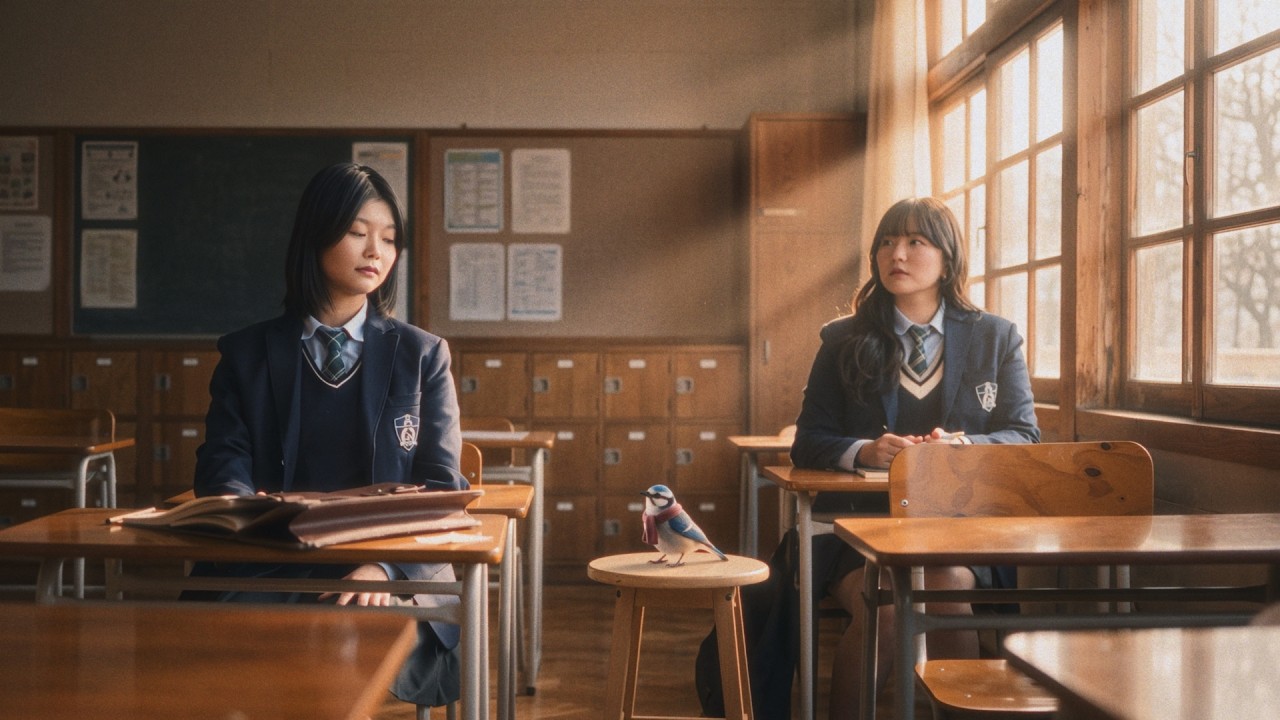
How RGBY Entertainment's Peter Dalwoo Kim built Afterglow with motivated relighting, background replacement, and a lightweight production workflow.
For Afterglow, a music video for Red Chair, Peter Dalwoo Kim took on the entire production himself — from concept and shooting to editing and AI-driven post.
The result is a cinematic piece that blends nostalgia, soft emotional storytelling, and carefully controlled lighting, much of it shaped after the shoot.
Working through RGBY Entertainment, both a creative studio and production company, Kim represents a new kind of creator: one who combines directing, music production, and technical workflow design into a single, streamlined process.
Behind the scenes
Can you explain your role on Afterglow?
The artist came to me with just the music and a wish to make a video. From there, I handled story development, concept planning, text-based storyboarding, shooting, editing, AI post-production, color grading, and location scouting.
What was the core idea behind the video?
The group wanted their album to feel like the 90s. I came across some school uniform photos on their Instagram, and it clicked — two young women in familiar classroom spaces.
The theme was love, but filtered through innocence: a gentle jealousy and a close friendship. The bluebird represents the love they were chasing — it may fly away in the end — but what stays is the friendship between them.
Where did your visual references come from?
My main reference was a previous music video I directed, Milkyway, inspired by the Japanese drama Hanako and Anne. I was drawn to the feeling of warm afternoon light and the quiet atmosphere of a rural town.
The school we used is actually the same filming location as that drama, which helped anchor the visual tone.
How did you approach planning and previs?
I don't use traditional storyboards. I work entirely in text — I build everything in a spreadsheet. It works well for me as a solo creator because it keeps things structured without being too rigid.
Beeble in production
How did you approach shooting, knowing much of the look would be shaped in post?
Most shot decisions happen on location. Being there opens up ideas I can't plan in advance.
I used to pre-plan all AI replacements before shooting, but when things didn't go as expected, it was hard to adapt. Now I capture first, then develop ideas from the footage itself.
The bird is a key element — how did you make it feel consistent?
AI-generated animals tend to change with every generation, so consistency is a challenge.
My solution was to give the bird a scarf. That detail makes viewers recognize it as the same character across scenes, and it adds personality.
Where did Beeble fit into your workflow?
I use Beeble in three stages.
First, I establish the overall cinematic direction. Things like 16mm film, golden hour, or volumetric light — using a single test frame.
Second, I use Beeble for lighting adjustments without changing the background. This is especially useful for maintaining consistent, natural-looking light across different shots.
Third, for more complex shots, I use it for full background replacement, especially when there's heavy camera movement. That's where it's most powerful.
Solving for light
What were the biggest challenges?
Volumetric light was one of the hardest things to get right. Traditional tools often look unnatural.
I found that if I create a single reference frame with volumetric light already applied, Beeble can propagate that light across the entire clip in a very natural way. Getting that first frame right is key.
How did you maintain consistency across different locations?
I created a custom LUT and applied it across the entire edit, then fine-tuned individual shots.
Beeble also helped by producing a naturally consistent tonal output, which made it easier to unify everything.
Rethinking the workflow
Did this project change how you think about production?
Completely.
Before, lighting alone required heavy equipment, power setups, and rentals. It was difficult to manage as a solo creator.
Now my shoots are very lightweight, and all the time I used to spend on logistics goes into the creative work instead.
What did this workflow enable that wasn't possible before?
I can translate imagination directly into the frame.
Music videos require a lot of different environments, and preparing those used to take a lot of time and money. Now that overhead is essentially gone. As long as I know what I want, any environment is achievable.