Day-for-night filmmaking with Beeble SwitchX
"With this technique, it proved to me that SwitchX is ready for production and ready to implement in your projects right now."
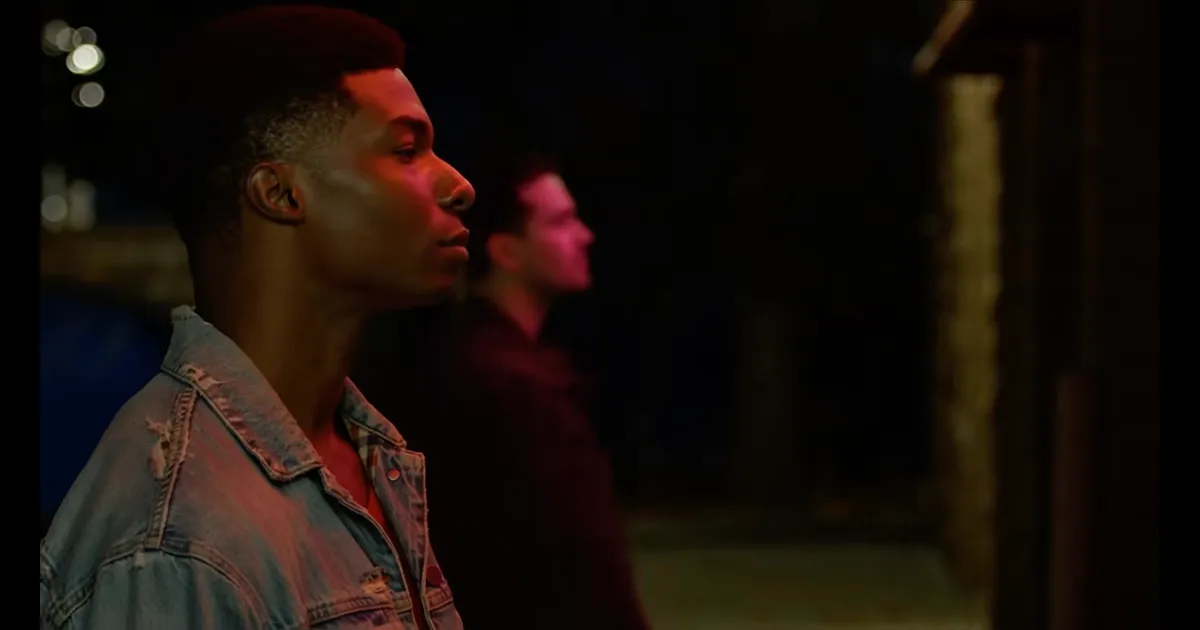
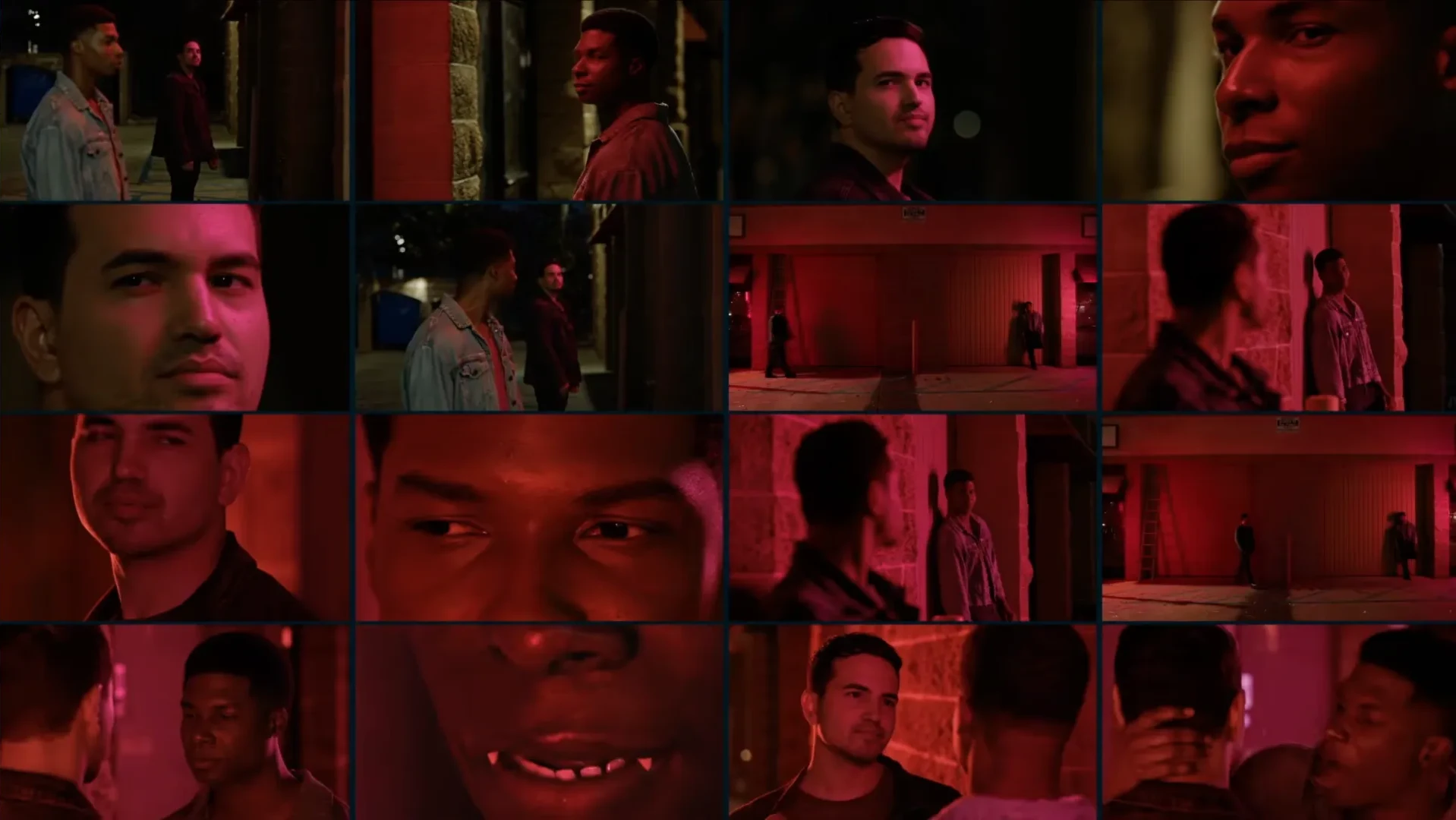
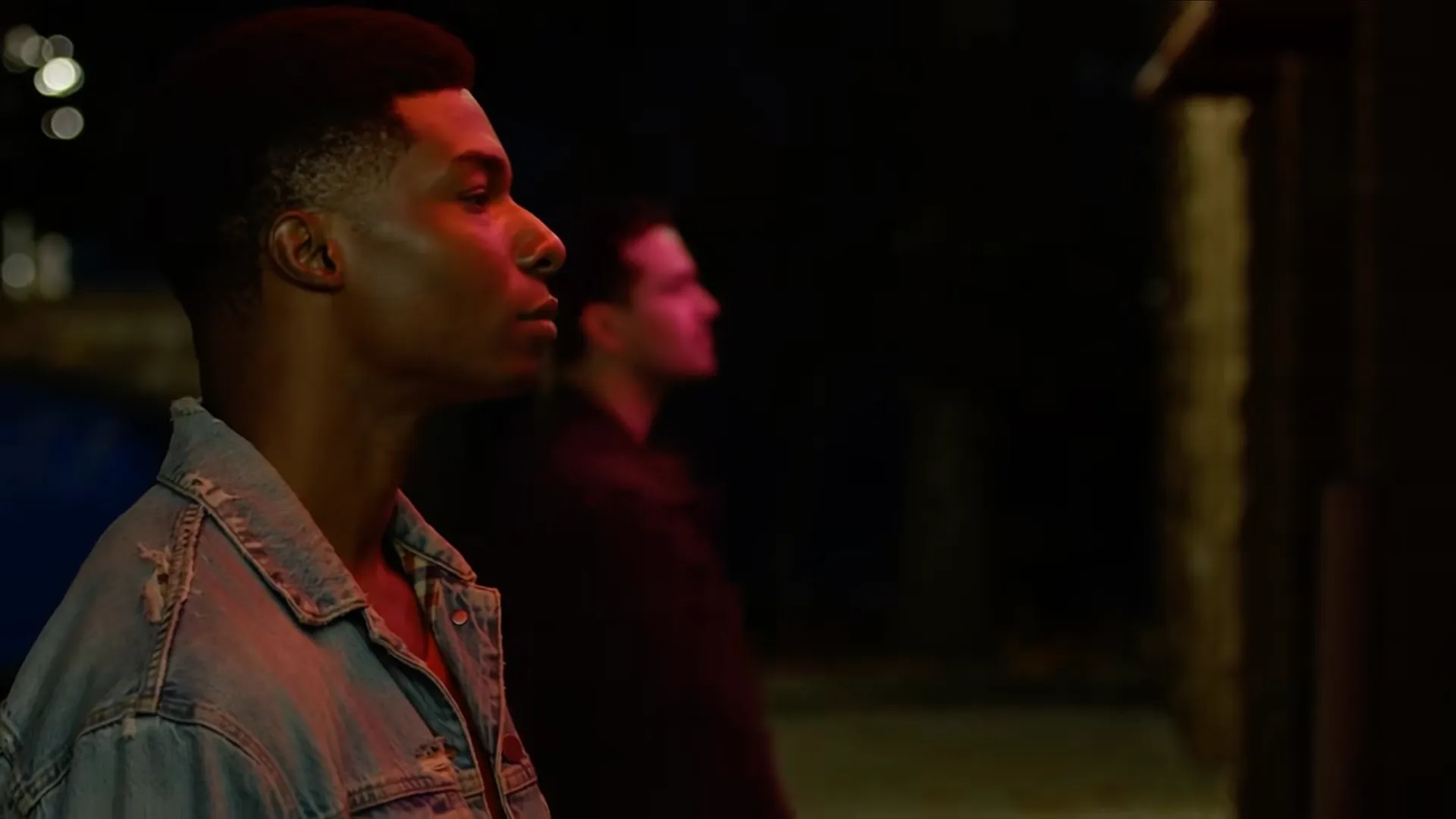
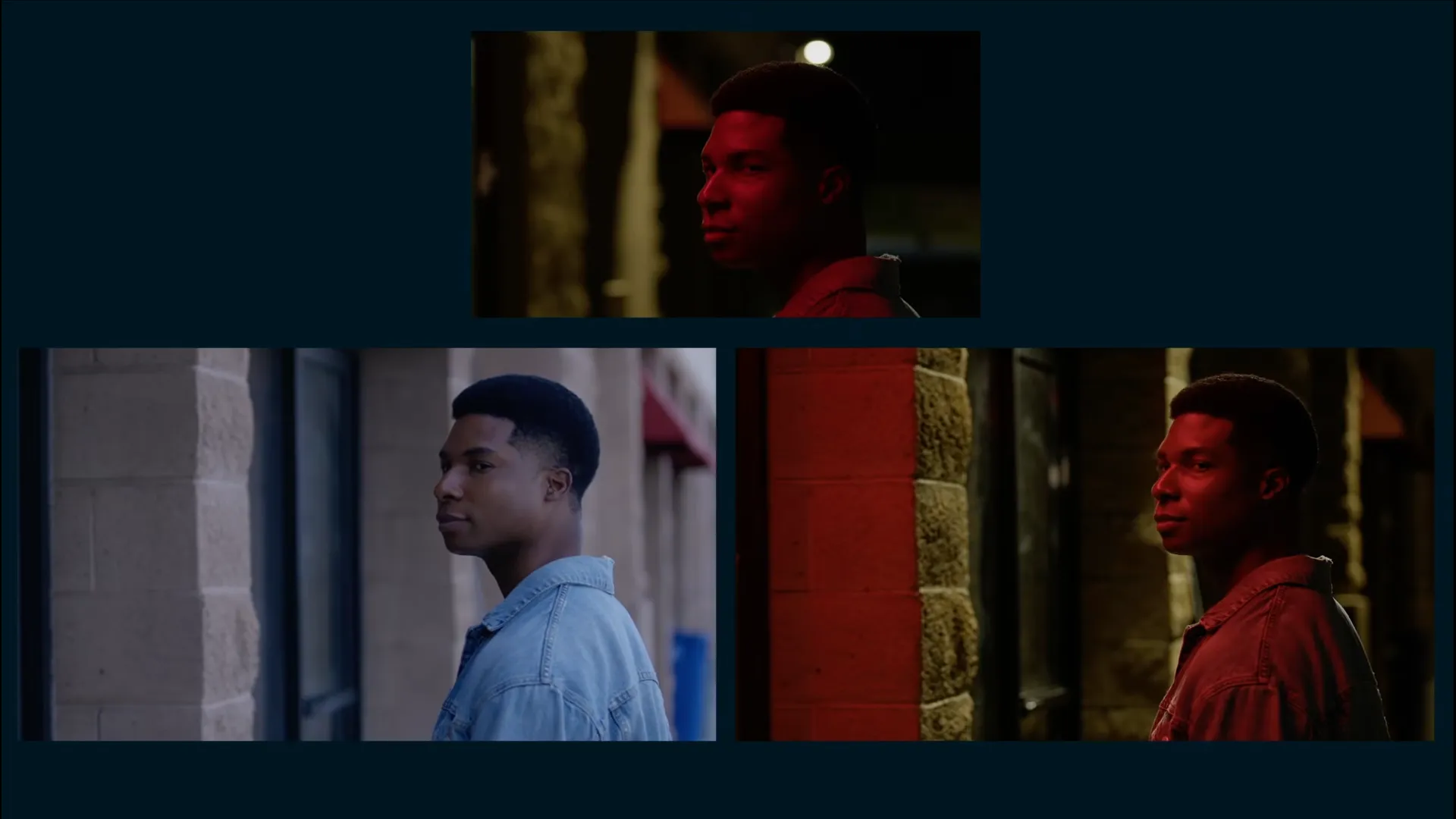
Filmmaker Alden Peters set himself a simple but ambitious goal: shoot a dramatic vampire scene in broad daylight, then convincingly turn it into night using Beeble SwitchX.
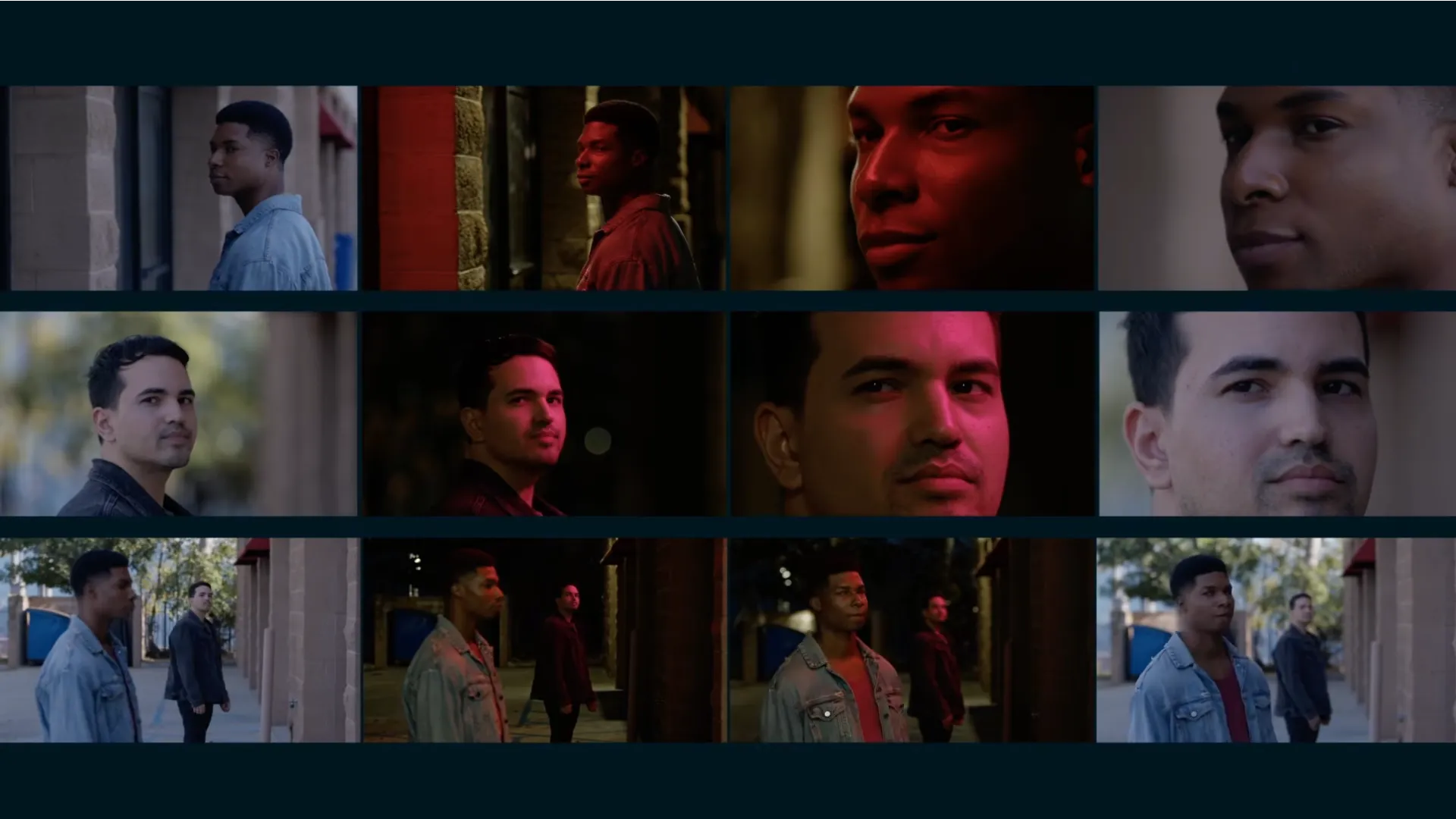
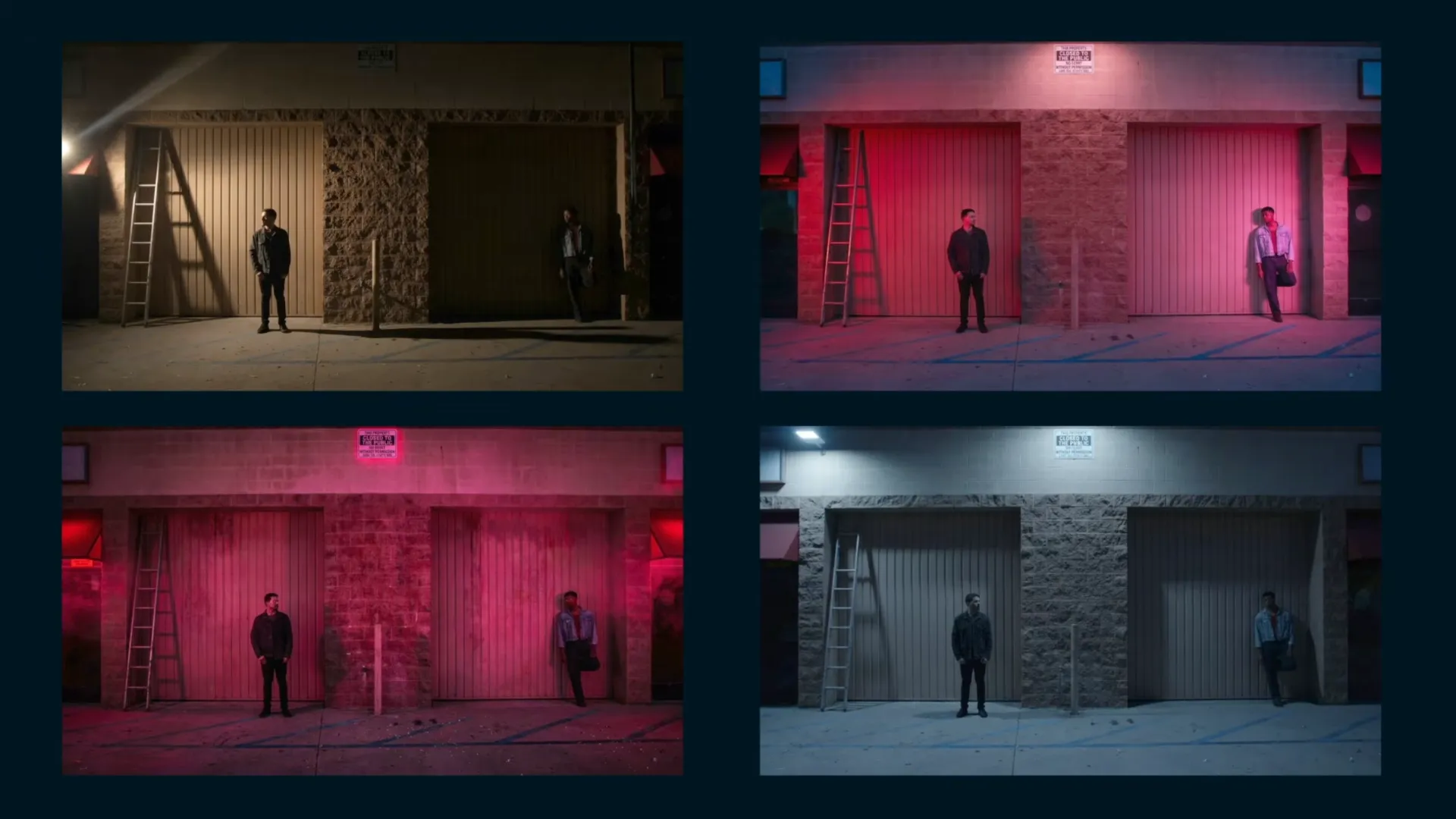
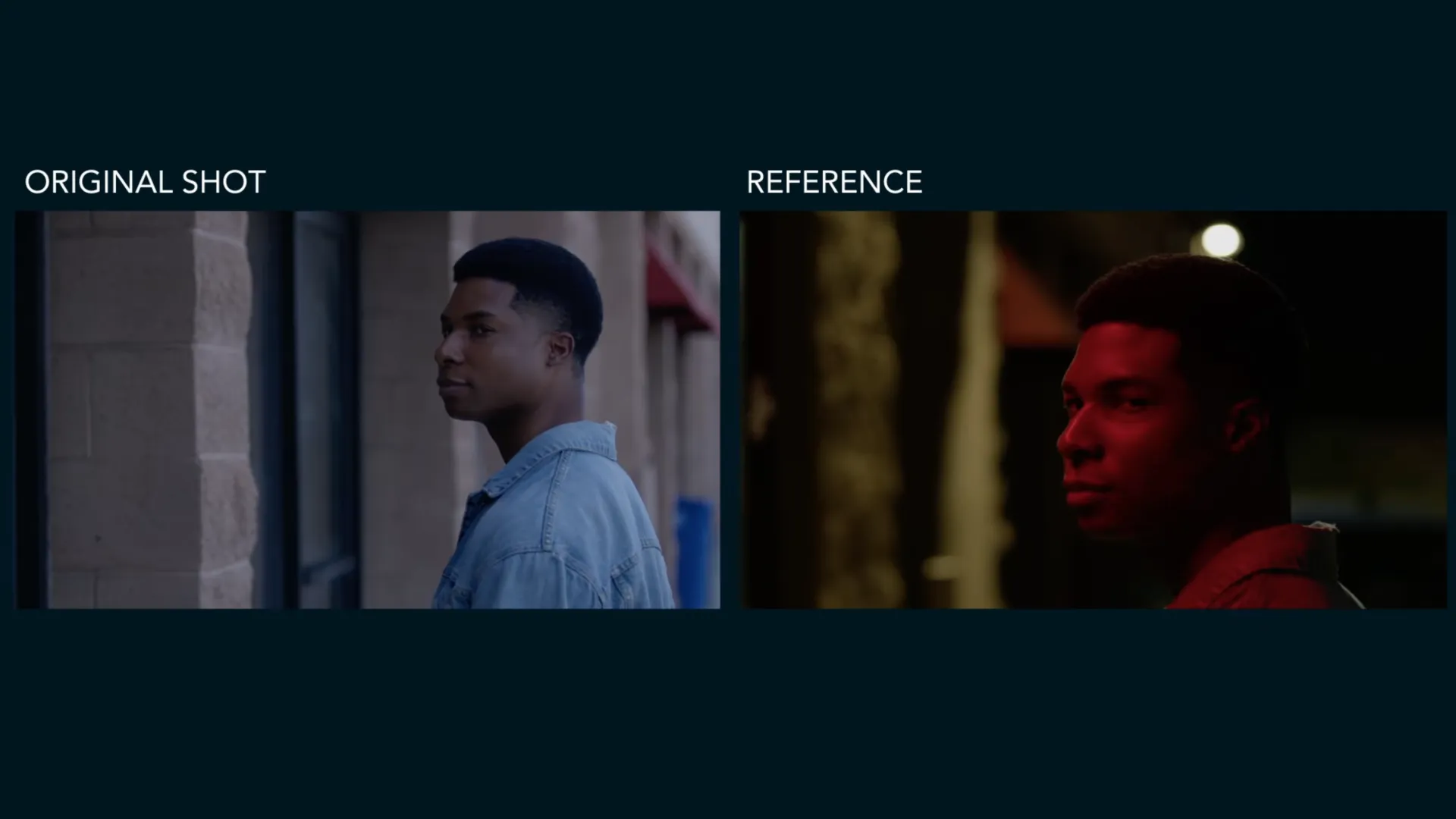
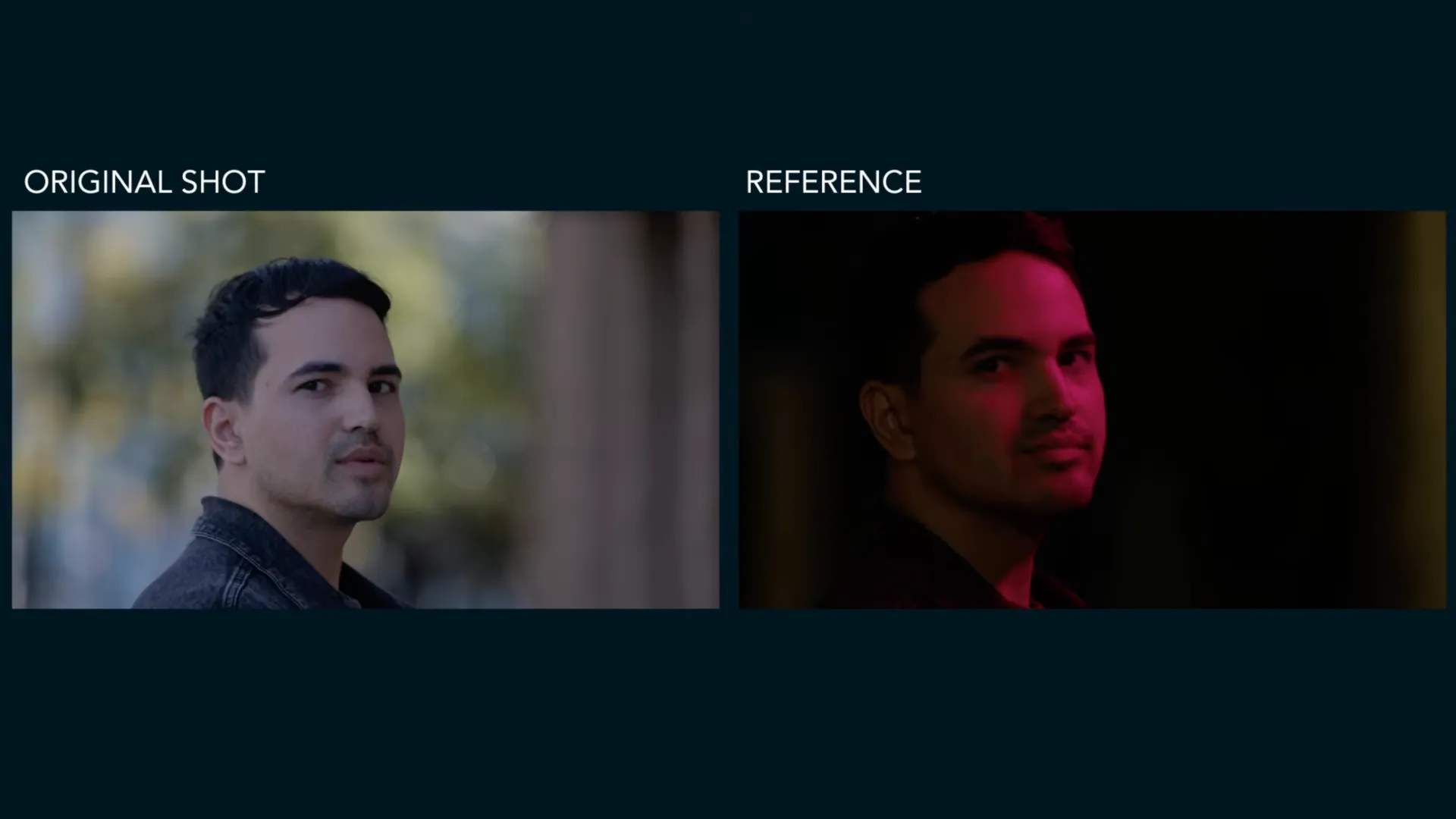
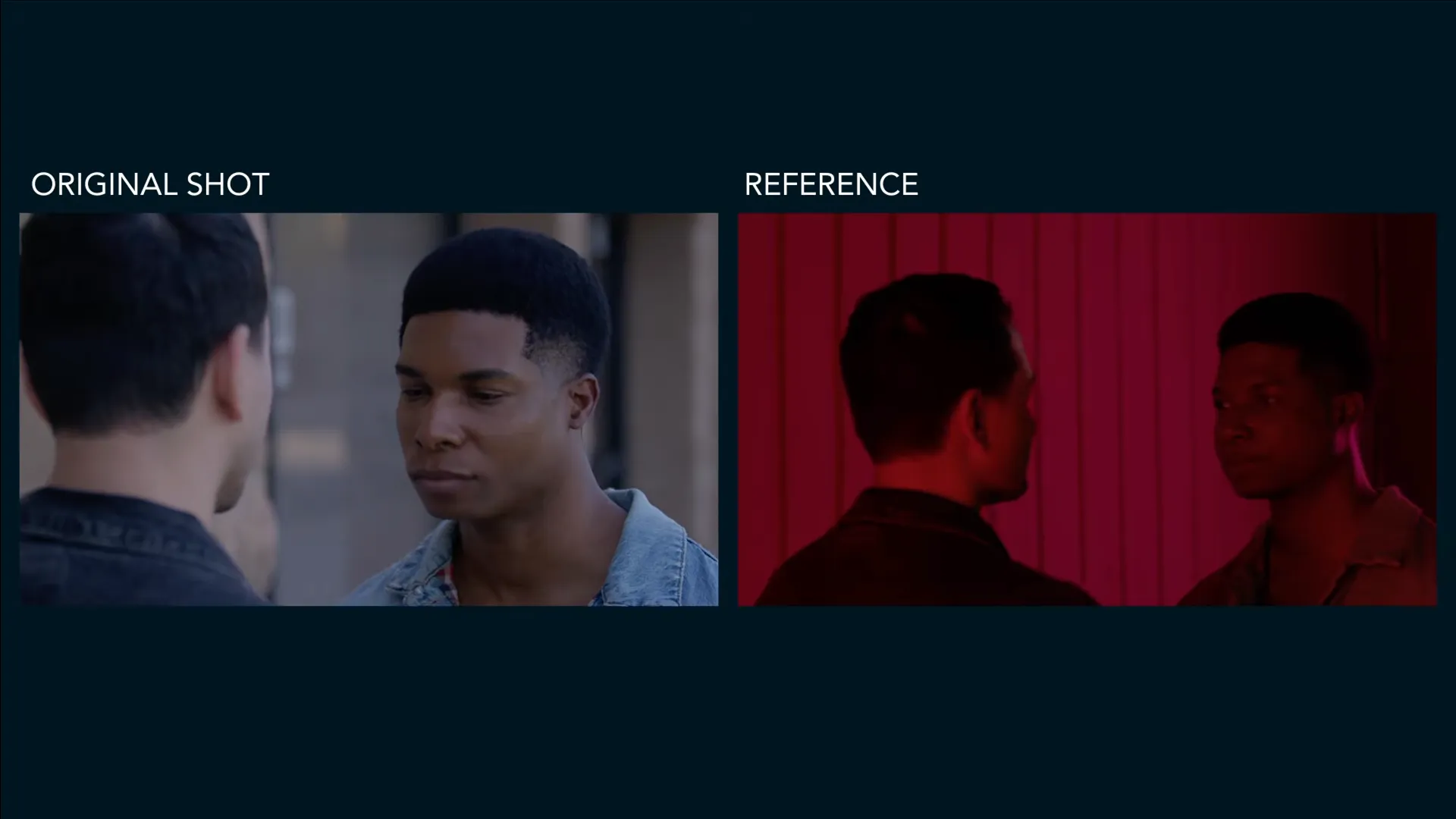
Instead of relying on fully AI-generated reference images, Alden took a different approach. He went back to the same location after dark and captured real reference footage — same angles, same location, real lighting. That single decision dramatically improved shot consistency.
The setup: day shoot, night reference
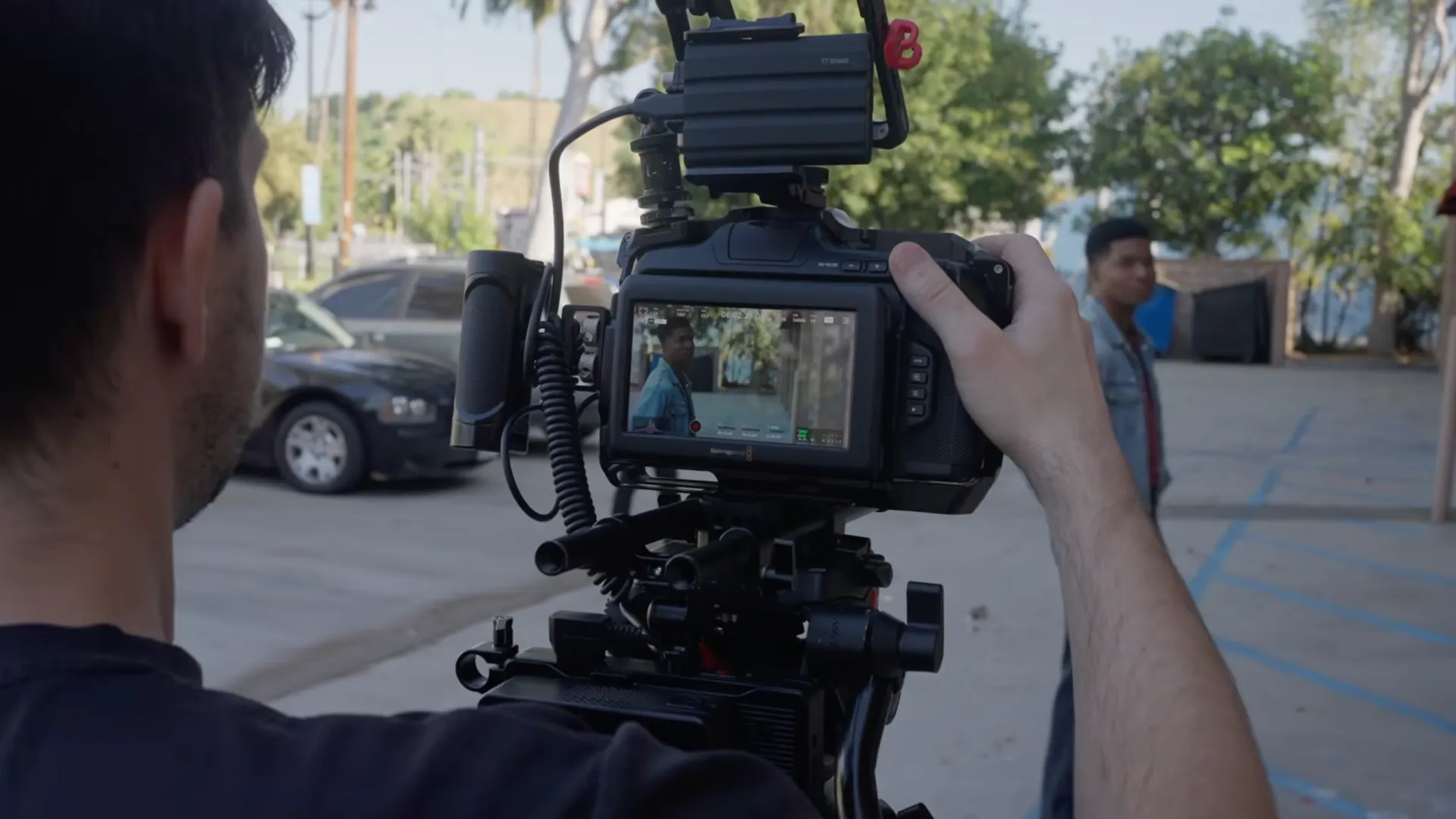
The production was intentionally simple:
- Film all principal photography in the shade during the day.
- Keep exposure wide open using ND filters to mimic low-light behaviour.
- Avoid direct sunlight on actors and the background.
- Return later at night to capture reference footage using real lighting setups.
Because the daytime footage was shot clean and controlled, the relighting step could focus on realism instead of correction.
A smarter way to relight with SwitchX
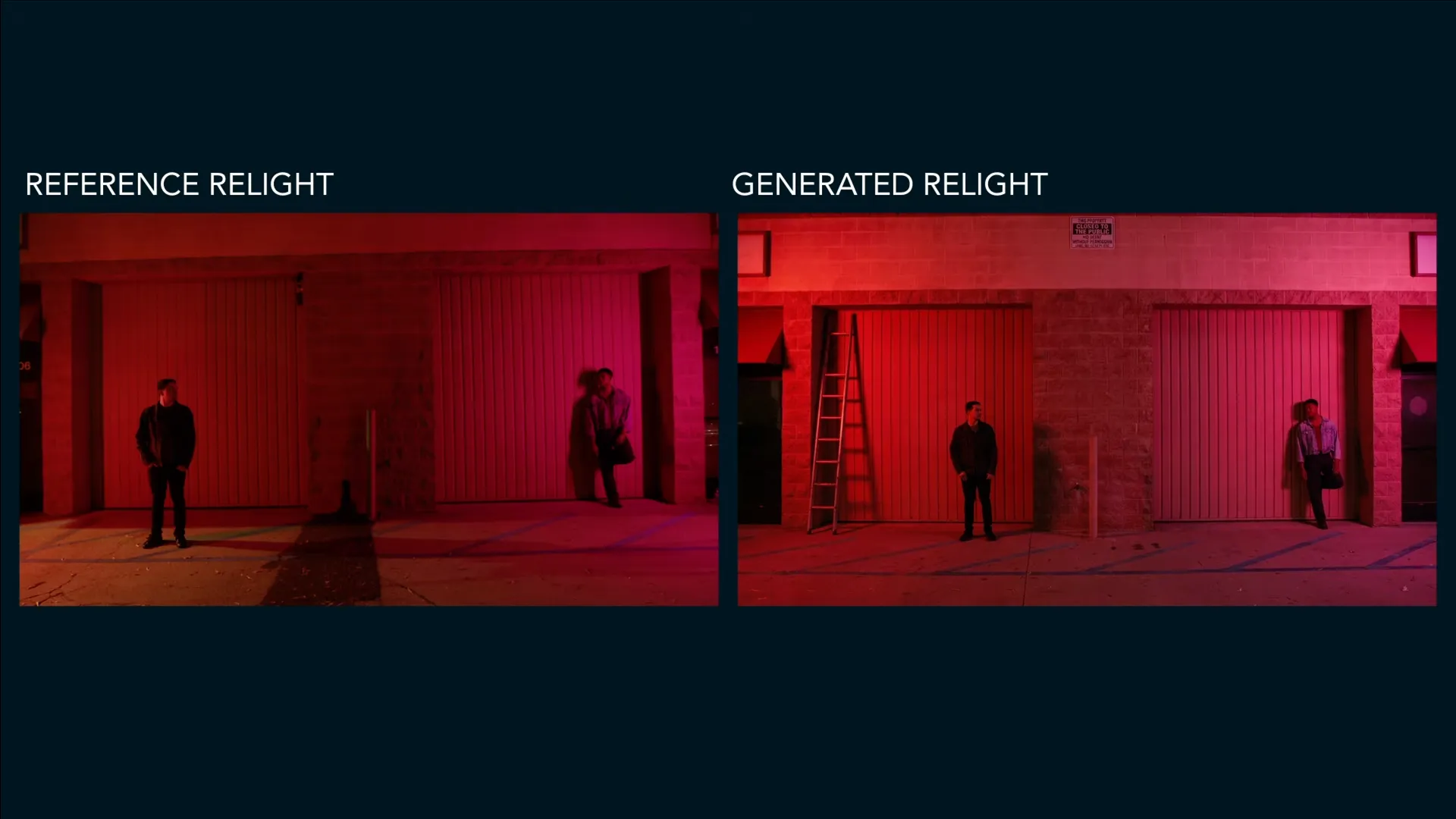
Instead of generating a look with prompts, Alden used his own nighttime reference shots to drive the relight. This anchored the relighting process in real-world lighting direction and intensity rather than randomised AI outputs.
He explains: "If you're generating reference images, you're rolling the dice every time. Using real footage gives you consistent lighting logic across the whole scene."
This method meant:
- Consistent light direction across multiple angles.
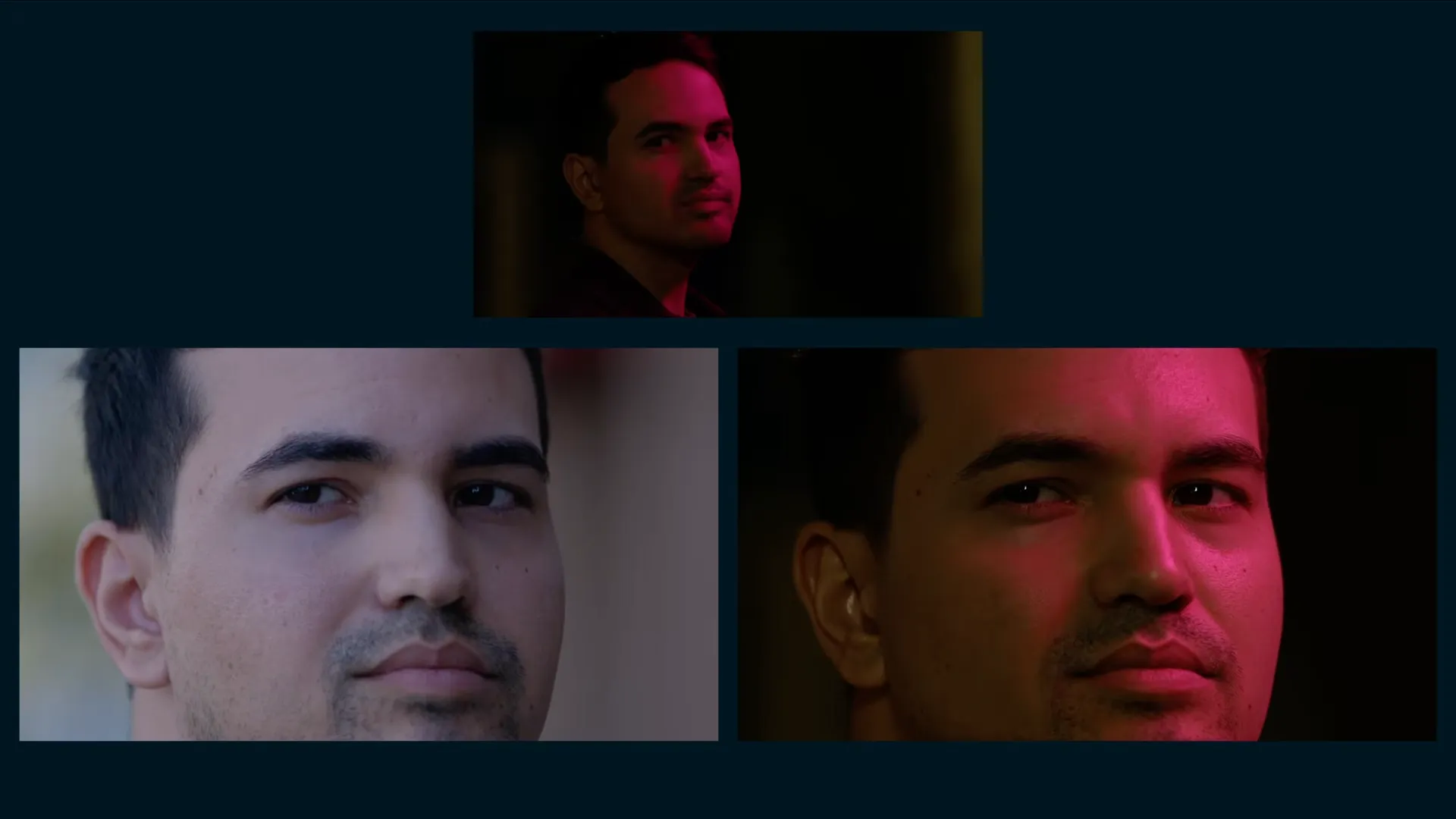
- More natural skin response and specular highlights.
- No random lighting shifts between cuts.
- Dramatically reduced trial-and-error.
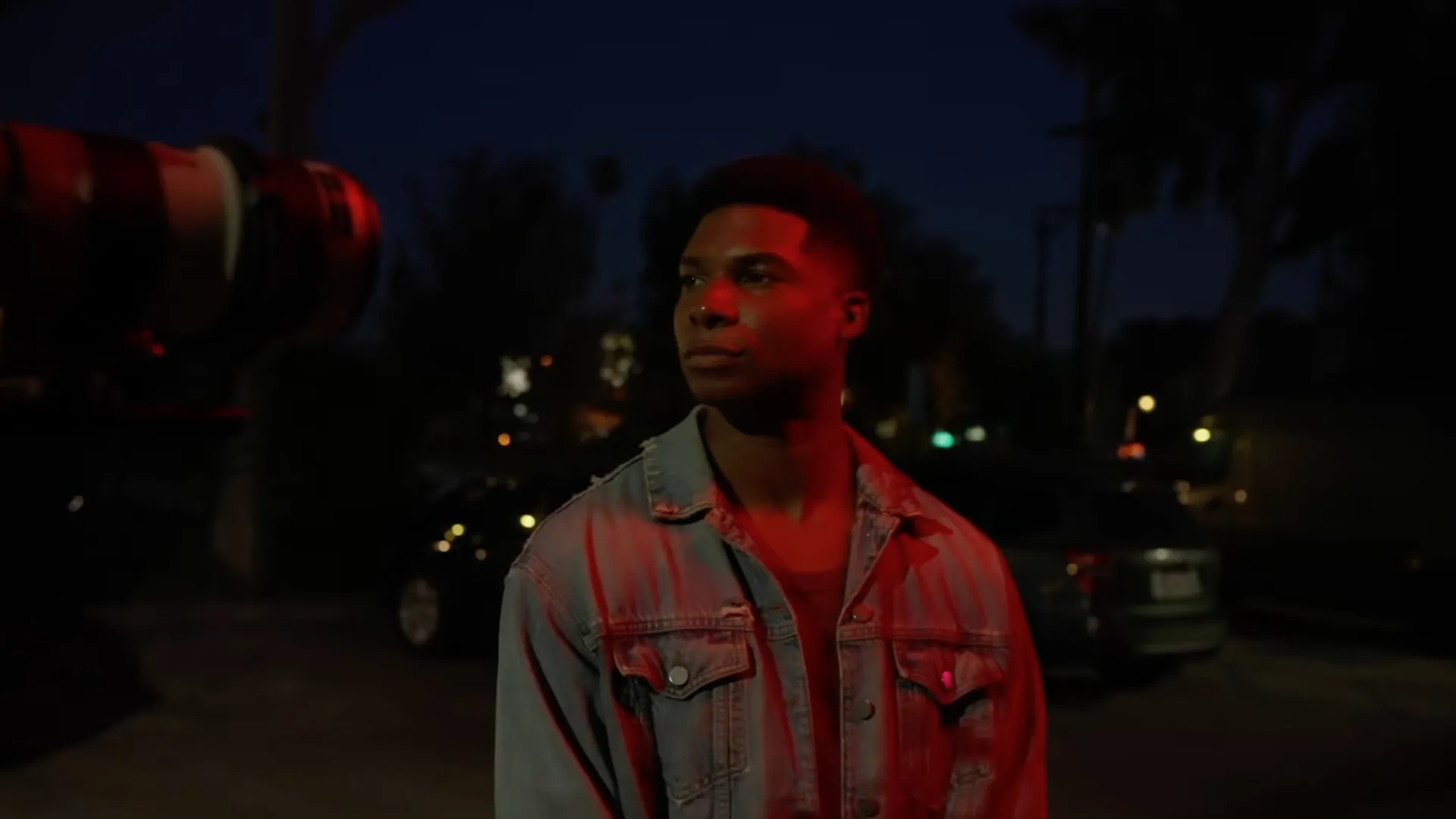
The result: consistent, believable night lighting across an entire sequence.
Where it shines
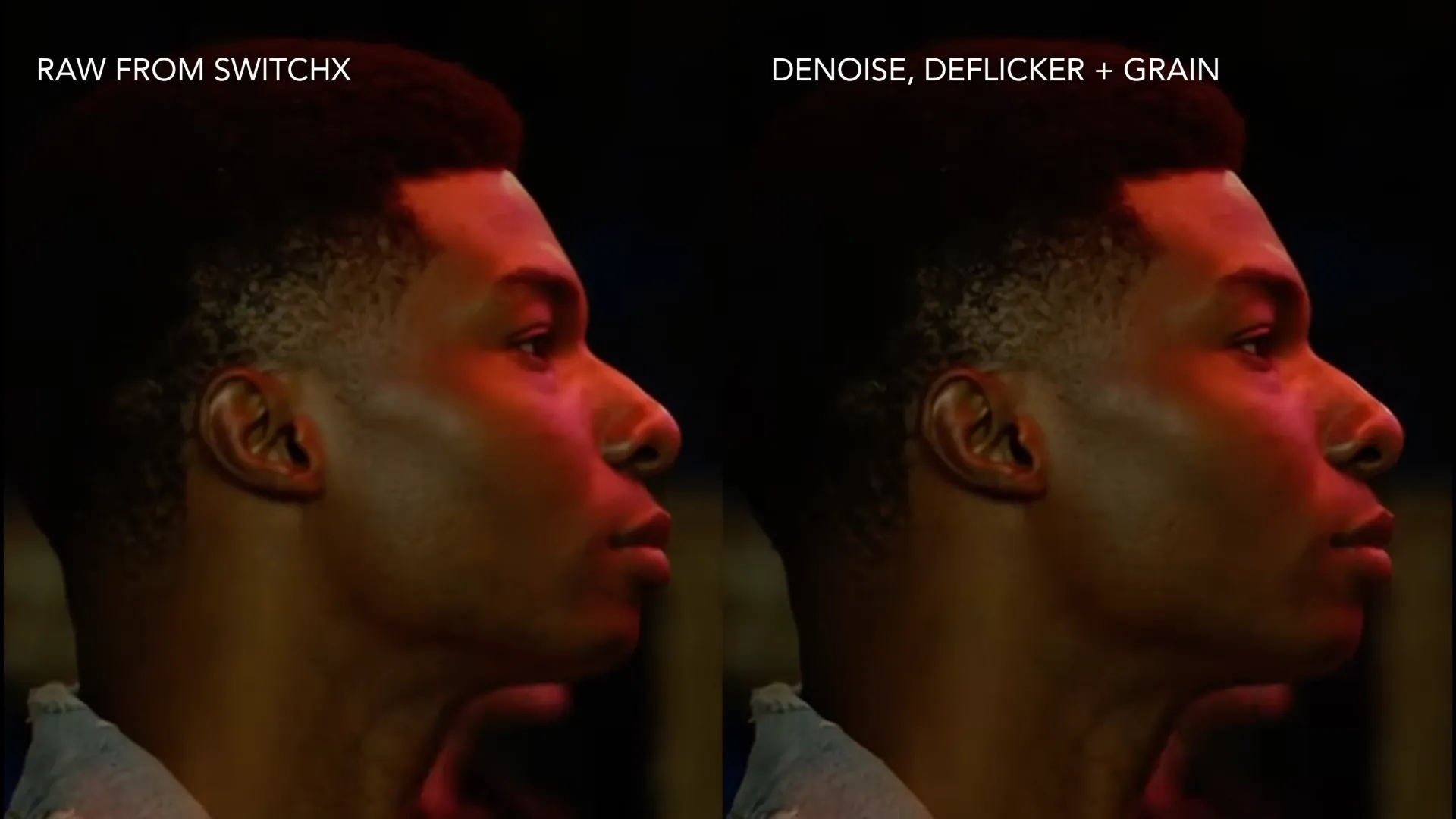
The relight held up across wide shots, close-ups, movement and rack focus — with only minor challenges on one extreme close-up, which Alden solved by generating a cleaner unlit pass through Beeble Studio before running it back through SwitchX.
He also noted:
- 4K inputs produce visibly cleaner results.
- Minor flicker can be cleaned up easily in post.
- Real reference footage consistently outperforms generated stills.
Why this matters for real productions
Night shoots are expensive, slow, and physically demanding for cast and crew. By shooting during the day and relighting in post:
- Productions can avoid costly night shoots.
- Schedules become more flexible.
- More takes can be captured in daylight.
- Directors retain creative lighting control in post.
Alden sums it up: "If you're shooting a longer project with lots of night exteriors, this approach can save time, energy, and money — without sacrificing visual quality."