Vortex Films: Production-grade AI for commercial storytelling
"AI speeds up the pipeline. It doesn't replace the judgment behind the work."
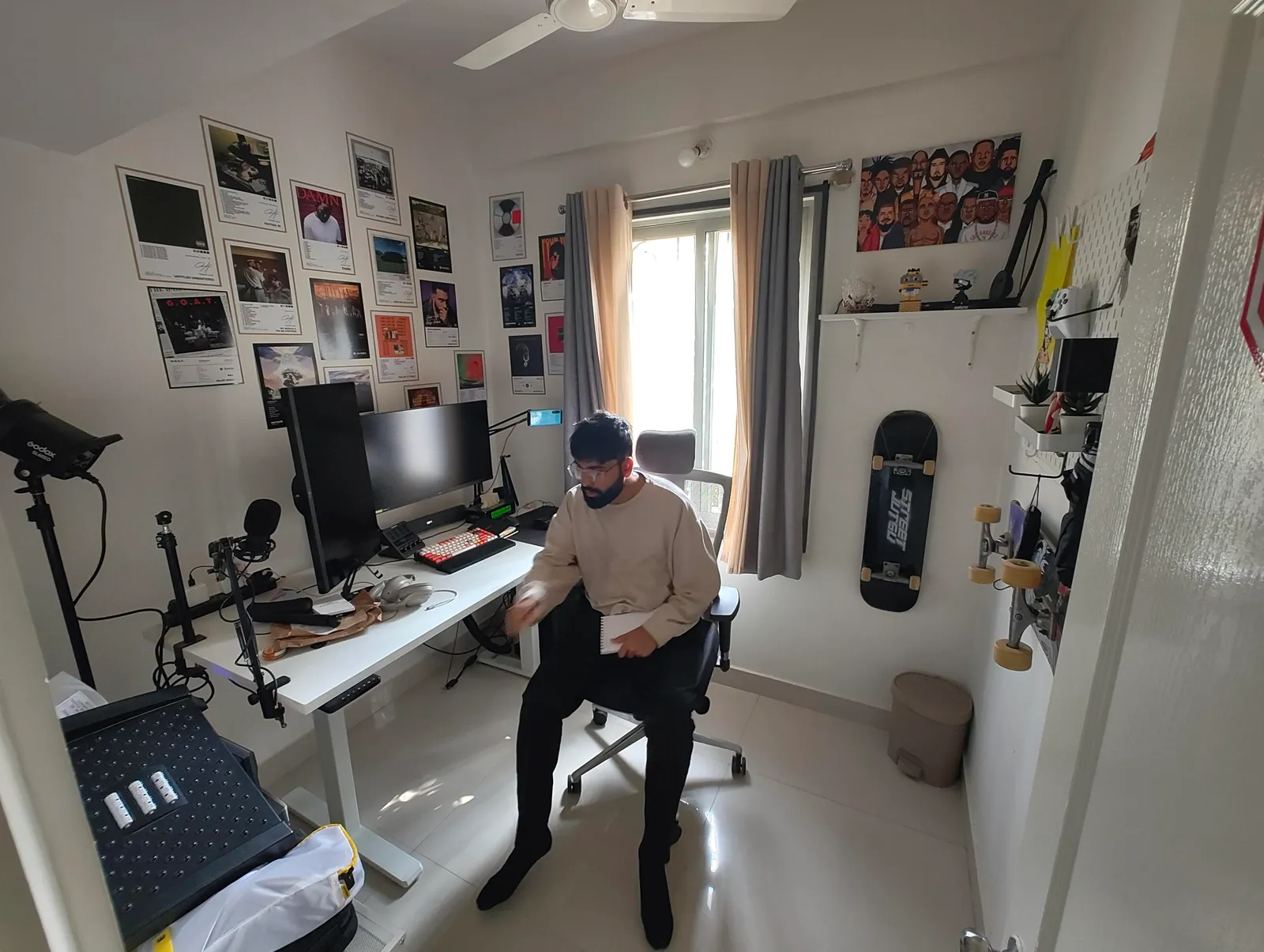
For Naveen Kumar, filmmaking has always lived at the intersection of creativity and technology.
As the founder of Vortex Films, a Bangalore-based production studio working across commercials, music videos, and branded content, Naveen has spent more than a decade exploring how emerging tools can expand what small creative teams can achieve.
Today, Vortex delivers campaigns for brands including AMD, Nothing India, and major sports franchises, combining traditional filmmaking, VFX and AI-assisted workflows to meet the demanding timelines of commercial production.
We spoke with Naveen about building a technology-first production studio, solving impossible post-production challenges, and why he believes AI's greatest value is giving creatives more time to be creative.
Can you tell us a little about Vortex and how you got started?
I started Vortex when I was still in school. I originally wanted to make music, but one of my teachers suggested I try video instead. I learned Premiere Pro and After Effects through YouTube tutorials and started making videos, short films and explainer animations. Over time, that grew into freelance work, then commercial projects, and eventually Vortex.
One thing that has always been important to me is that we don't separate filmmaking from technology. My background is in engineering, so I've always been excited by new tools and new workflows. I don't consider myself a filmmaking purist. If there's a better way to solve a problem, I want to explore it.
Today we're a small team based in Bangalore, and despite our size, we've worked on projects that have reached hundreds of millions of viewers.
When did Beeble first become part of your workflow?
I've been following the team for years. I remember seeing early demonstrations of SwitchLight and signing up as soon as I could. At the time, we were downloading passes and manually importing them into Blender.
Over the years, it became one of those tools that moved from interesting to essential. My VFX lead started using it on almost every project. Eventually, we realised there wasn't really another tool that could replace what it was doing for relighting. At this point, it's become a core part of our workflow.
The biggest thing is that it works. That's why I keep calling Beeble production-grade. A lot of AI tools look impressive in demos, but when you're working on real client projects under hard deadlines, reliability matters more than anything else.
You recently shared an AMD campaign that reached more than 80 million views. What was the challenge on that project?
There was one particular shot that became extremely difficult. The concept was that the company's executive appears multiple times inside a server room, representing the idea that he's doing the work of several people at once.
The problem was that the footage wasn't originally shot with that final creative direction in mind. During post-production, the director wanted changes that weren't really supported by the footage we had.
We tried traditional compositing approaches. We tried standard relighting methods. Nothing was landing emotionally.
We tried to avoid bringing the shot into a Blender pipeline because we wanted a faster solution. Eventually, we realised we should have started with Beeble from the beginning. That gave us enough information to relight the character and place him convincingly inside the environment we needed.
What should have been impossible suddenly became achievable. The shot worked exactly as intended, but only because we had the flexibility to rebuild the lighting after production.
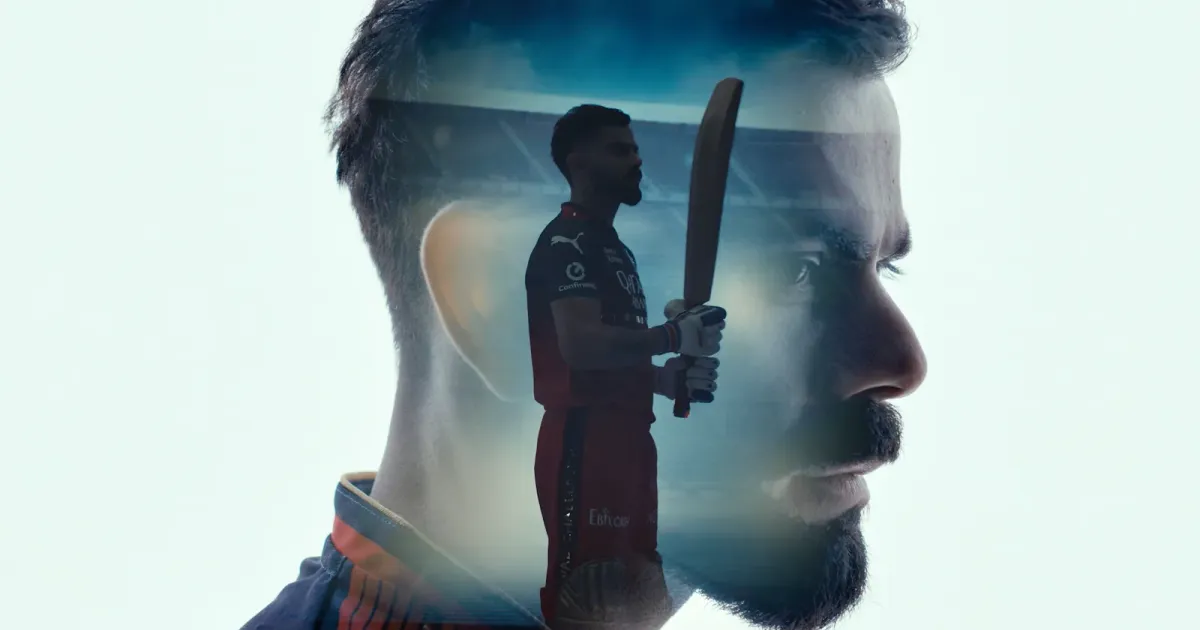
Another project you mentioned was a campaign for Nothing India and RCB. What made that project unusual?
That project was incredibly challenging because we couldn't shoot the cricketers.
The campaign needed to showcase the new Nothing-branded RCB jerseys, but there were restrictions around how the players could be represented. We couldn't generate faces. We couldn't create synthetic versions of the athletes.
So we had to work from existing footage. Every shot came from a different source. Different lighting. Different environments. Different cameras.
We extracted the players, rebuilt jerseys and branding, created new environments, and then used Beeble to relight the athletes so they matched those environments. The relighting step was critical because without it, everything would have looked composited and artificial.
That project really demonstrated how AI can be used within a professional VFX workflow rather than as a shortcut around one.
You've said AI isn't replacing creativity. How do you see its role?
For me, AI compresses the distance between the idea and the final output. Before, I was spending 14 to 16 hours a day executing work. Today, many repetitive tasks are streamlined, which gives me more time to focus on writing, directing, and developing ideas. Creativity doesn't come from sitting in front of a computer all day. It comes from experiences. It comes from writing. It comes from observing the world and bringing those ideas back into your work. If a tool can reduce a three-day task to thirty minutes, that's not taking away creativity. It's giving me more time to be creative.
What I've noticed personally is that I'm spending less time fighting software and more time thinking about ideas. That's a huge shift.