How Peregrine Films combined practical filmmaking and AI to create an epic sci-fi music video
"I still want miniatures. I still want practical effects. I still want real sets wherever possible. But now we can combine those things with AI tools and stretch the budget much further."
Berlin-based filmmaker Lucas Fiederling has spent most of his career moving between directing, cinematography, VFX, documentaries, music videos and commercial work. As founder of Peregrine Films, he has always combined practical filmmaking with visual effects, making him uniquely positioned to explore the emerging world of AI-assisted production.
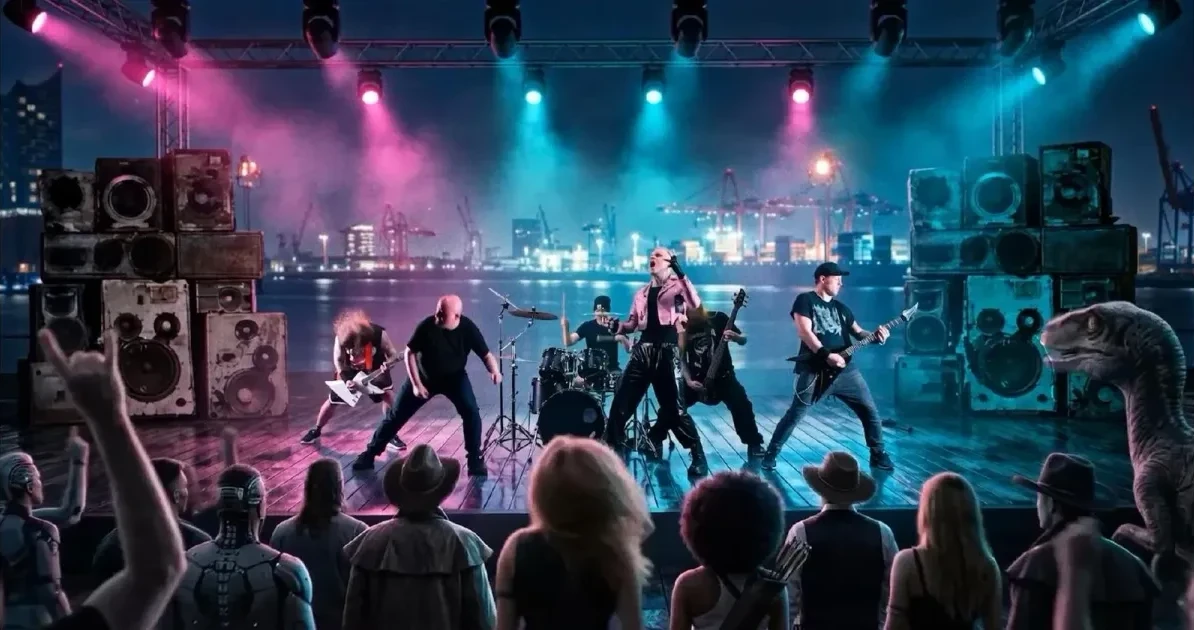
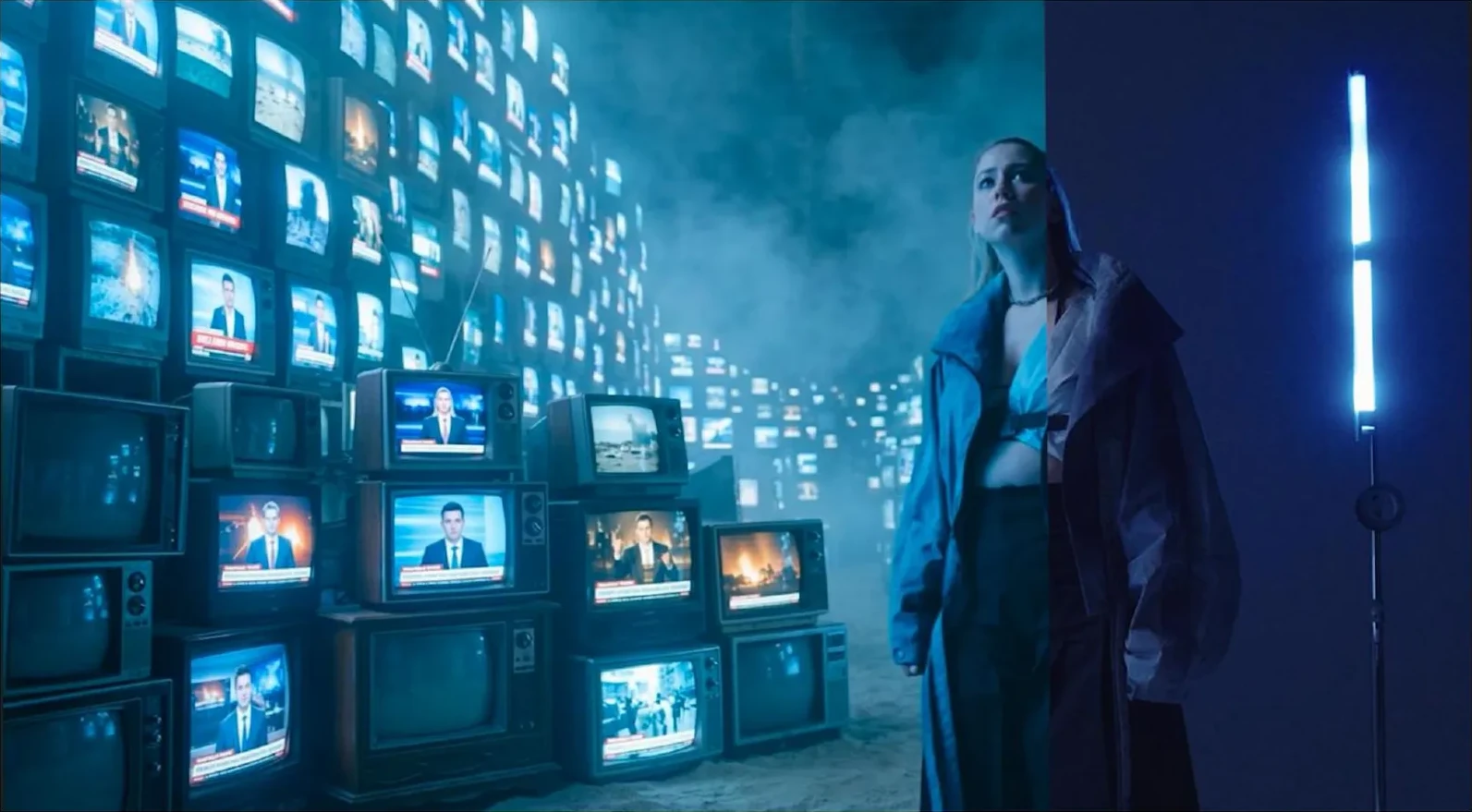
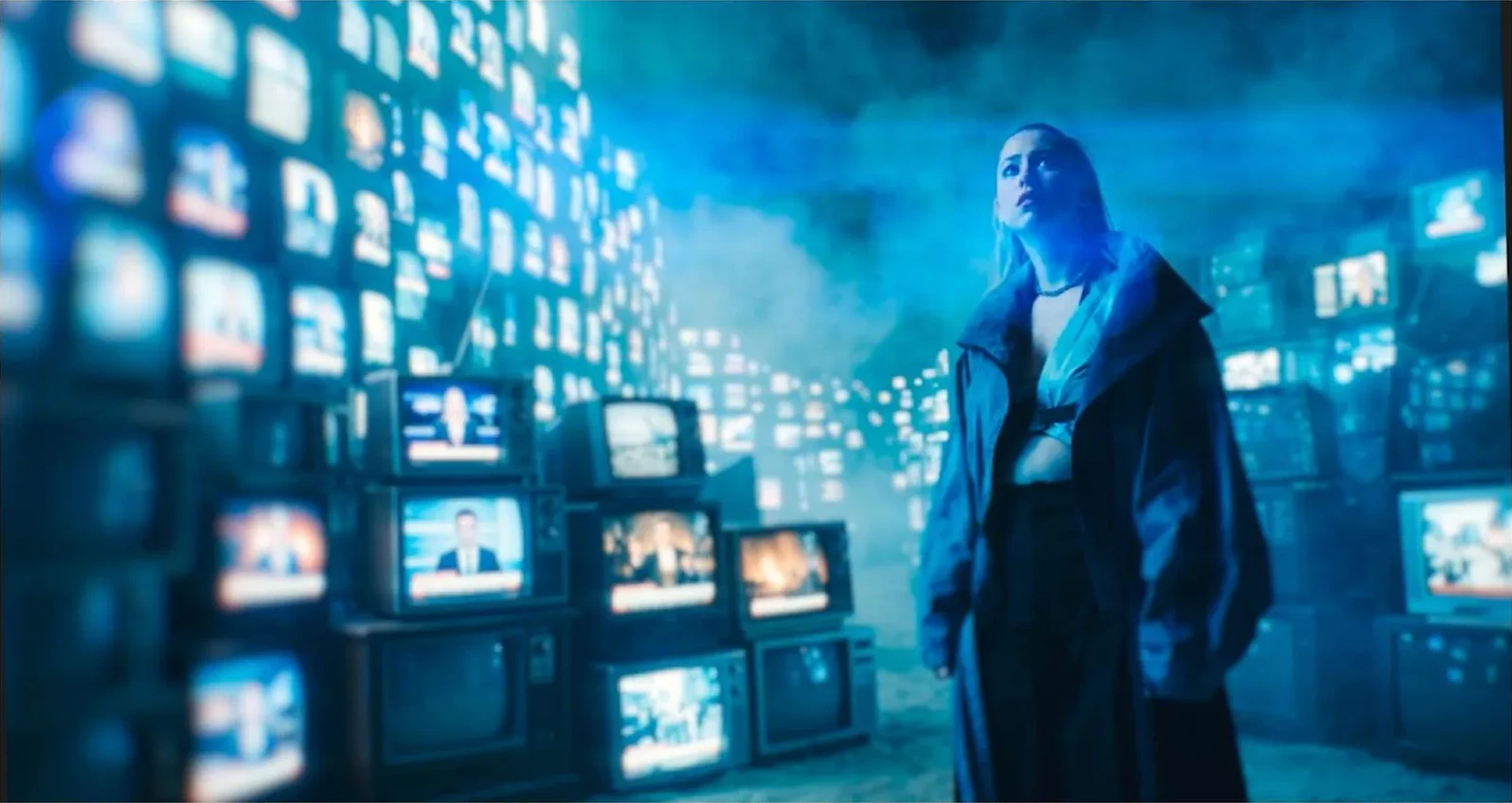
Recently, Lucas used SwitchX to create a stylised sci-fi music video inspired by Kung Fury, transforming a green screen studio shoot into a world of dinosaurs, sports cars and retro action sequences. At the same time, he's evaluating the technology for an ambitious independent sci-fi feature film currently in development.
We spoke with Lucas about hybrid filmmaking, anamorphic lenses, and why he believes AI works best when combined with traditional production techniques.
Tell us about the music video project. What was the concept, and what role did SwitchX play?
The project was for the German metal band Endseeker. It was their final music video before breaking up, so they wanted to do something special.
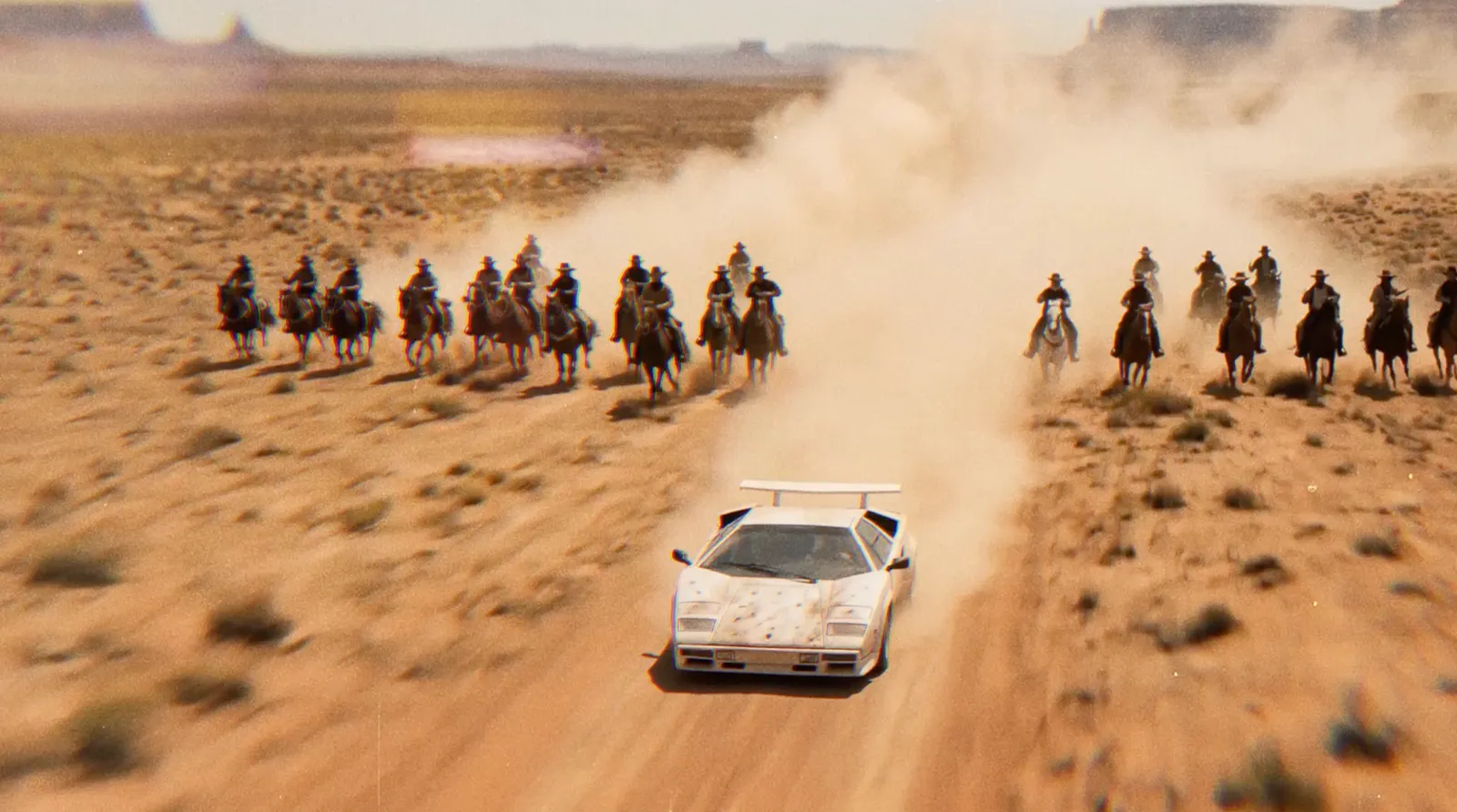
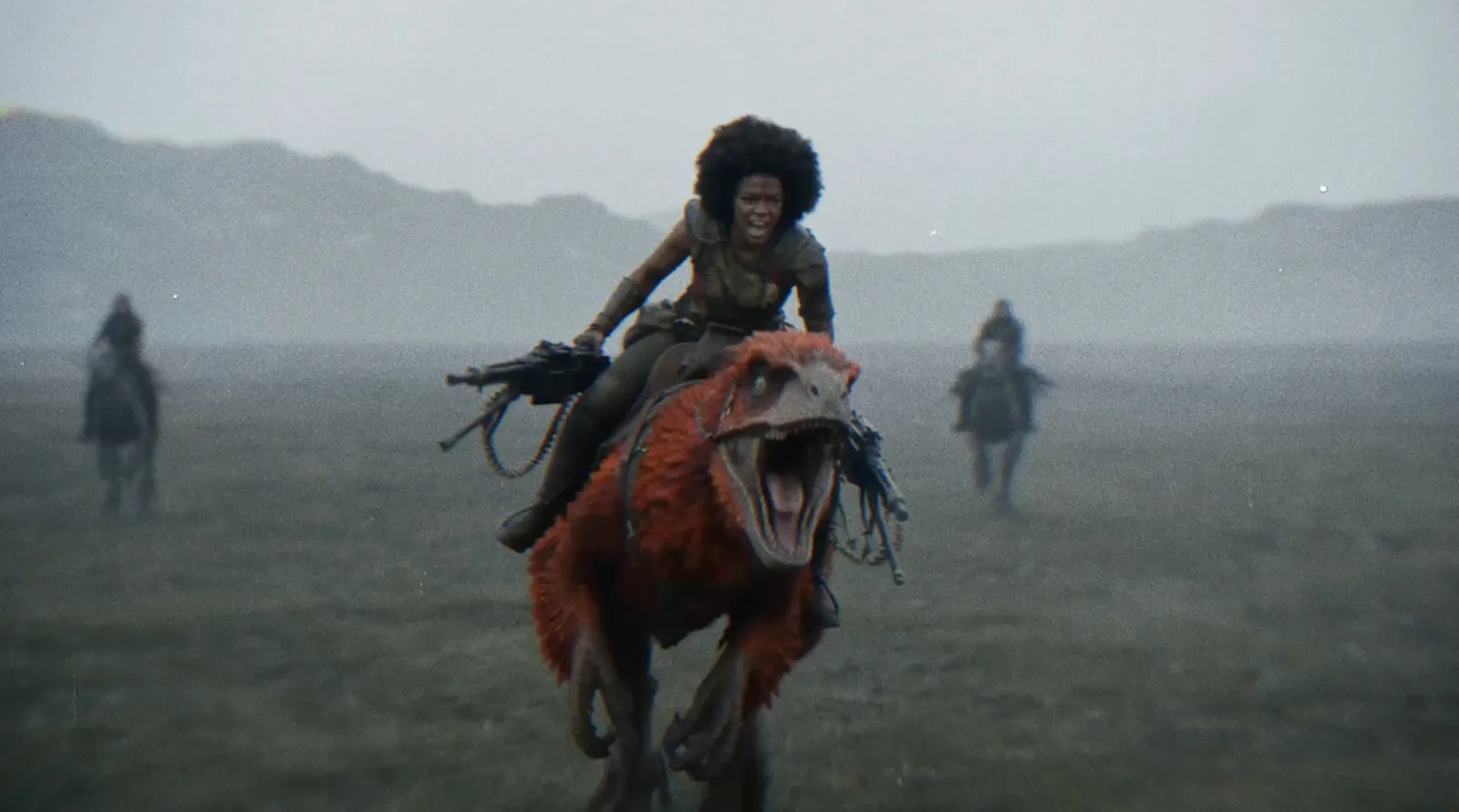
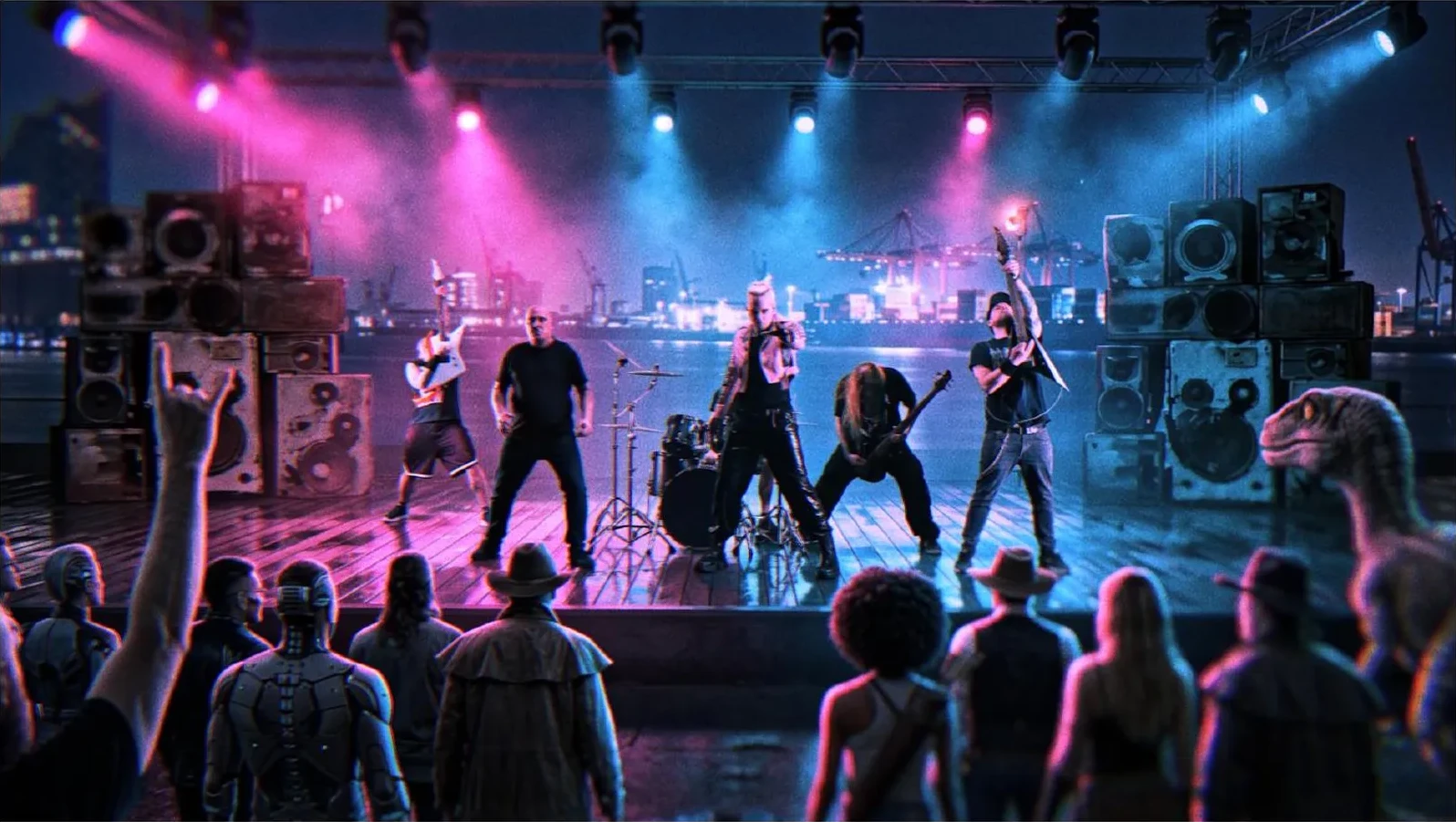
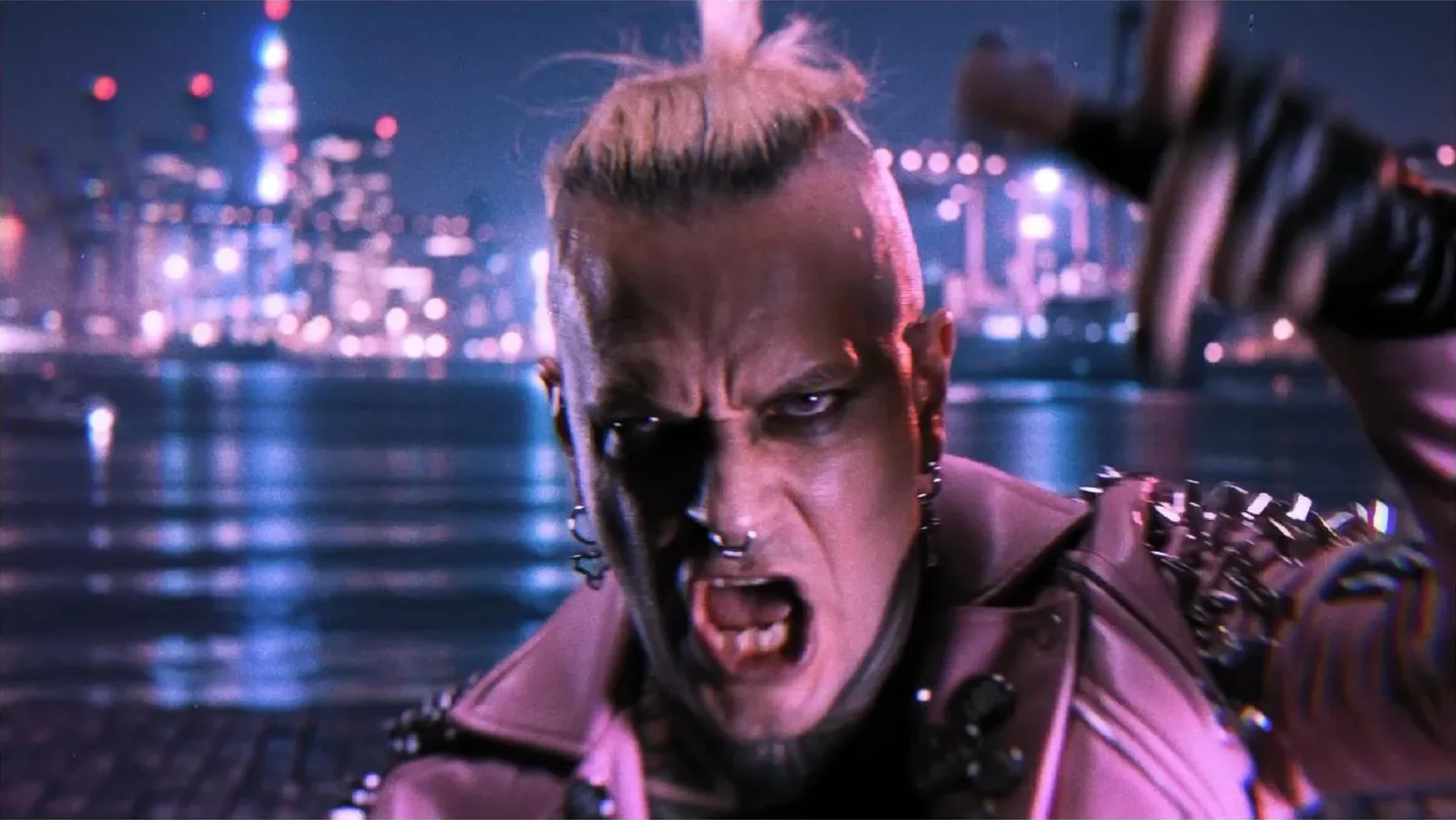
The concept was inspired by Kung Fury. We wanted dinosaurs, a white Lamborghini, car chases and all the crazy sci-fi action that comes with that aesthetic.
The problem was that the budget was only around €4,000.
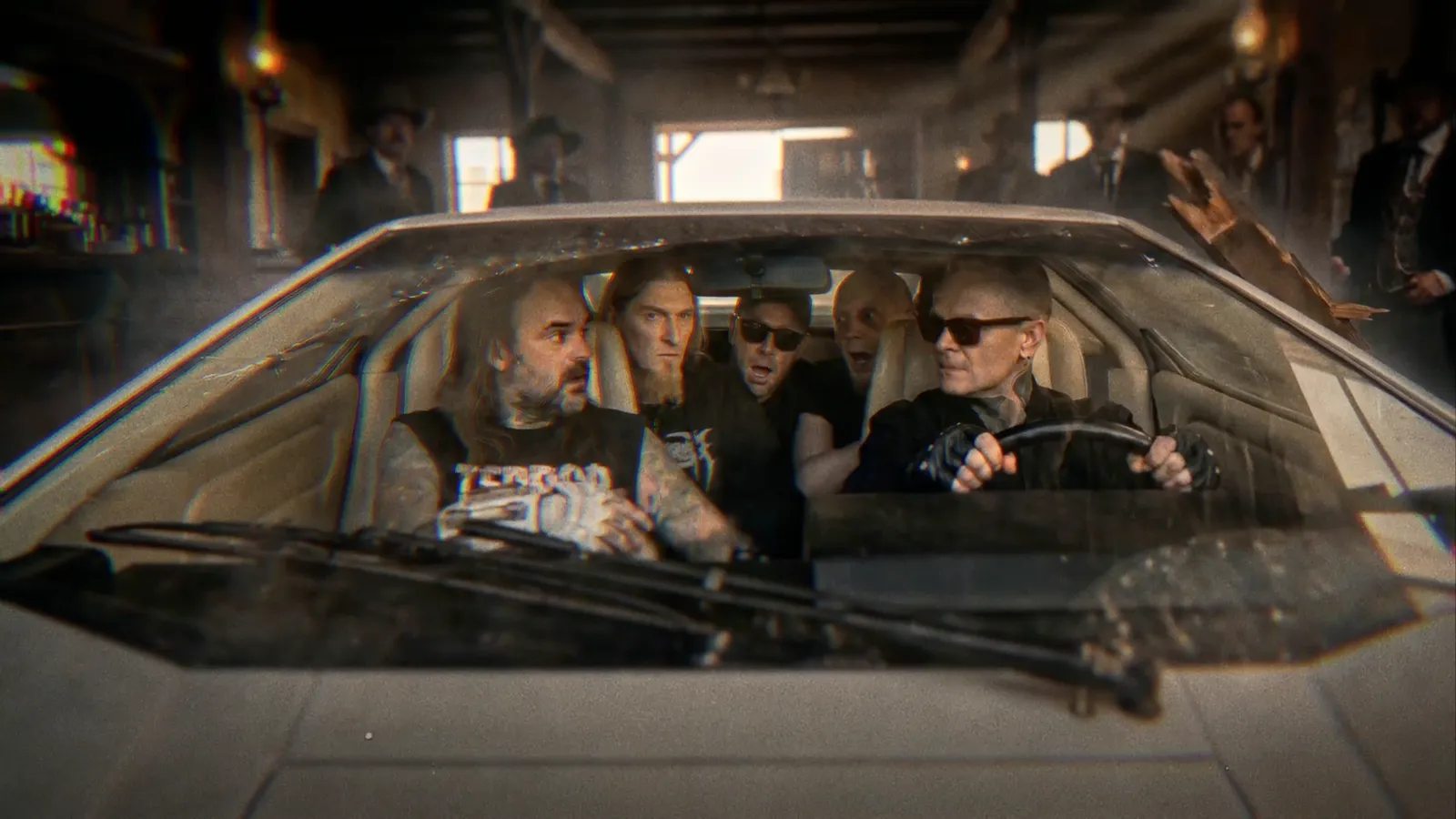
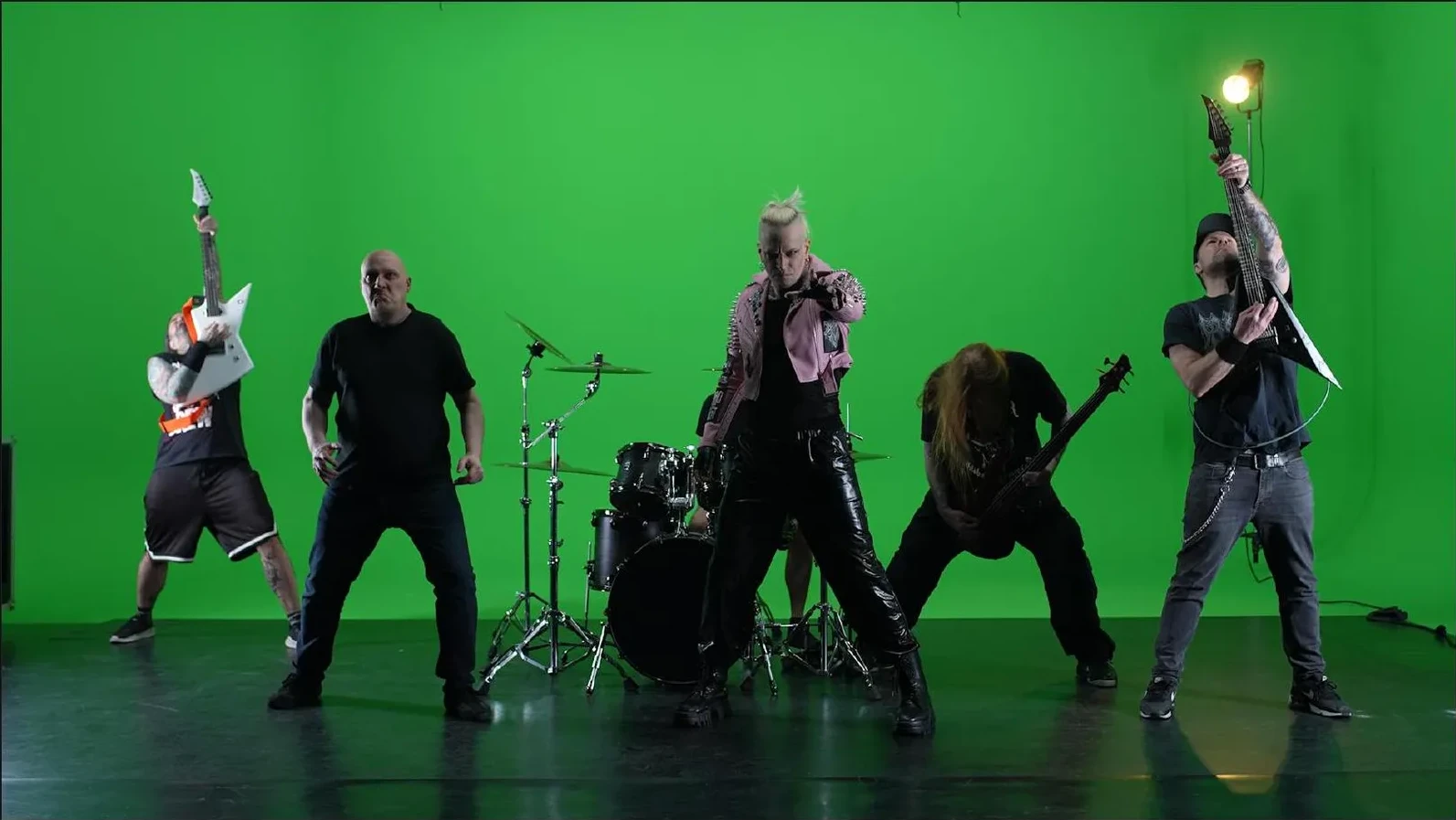
A majority of the shots were filmed in a green screen studio and then transformed using SwitchX. In total, I think I processed around 140 shots. Additional I took photos of the band and shot them sitting and performing in a car, and used Seadance and Kling to get some additional wide shots and so on.
This kind of project would not have been possible on this budget a few years ago. It would have needed a team of VFX artists working for weeks.
What creative or production challenges were you trying to solve?
For me, it was really about testing how far the workflow could go. I didn't want to shoot everything locked off on a tripod and play it safe. I wanted to film it like a normal performance music video.
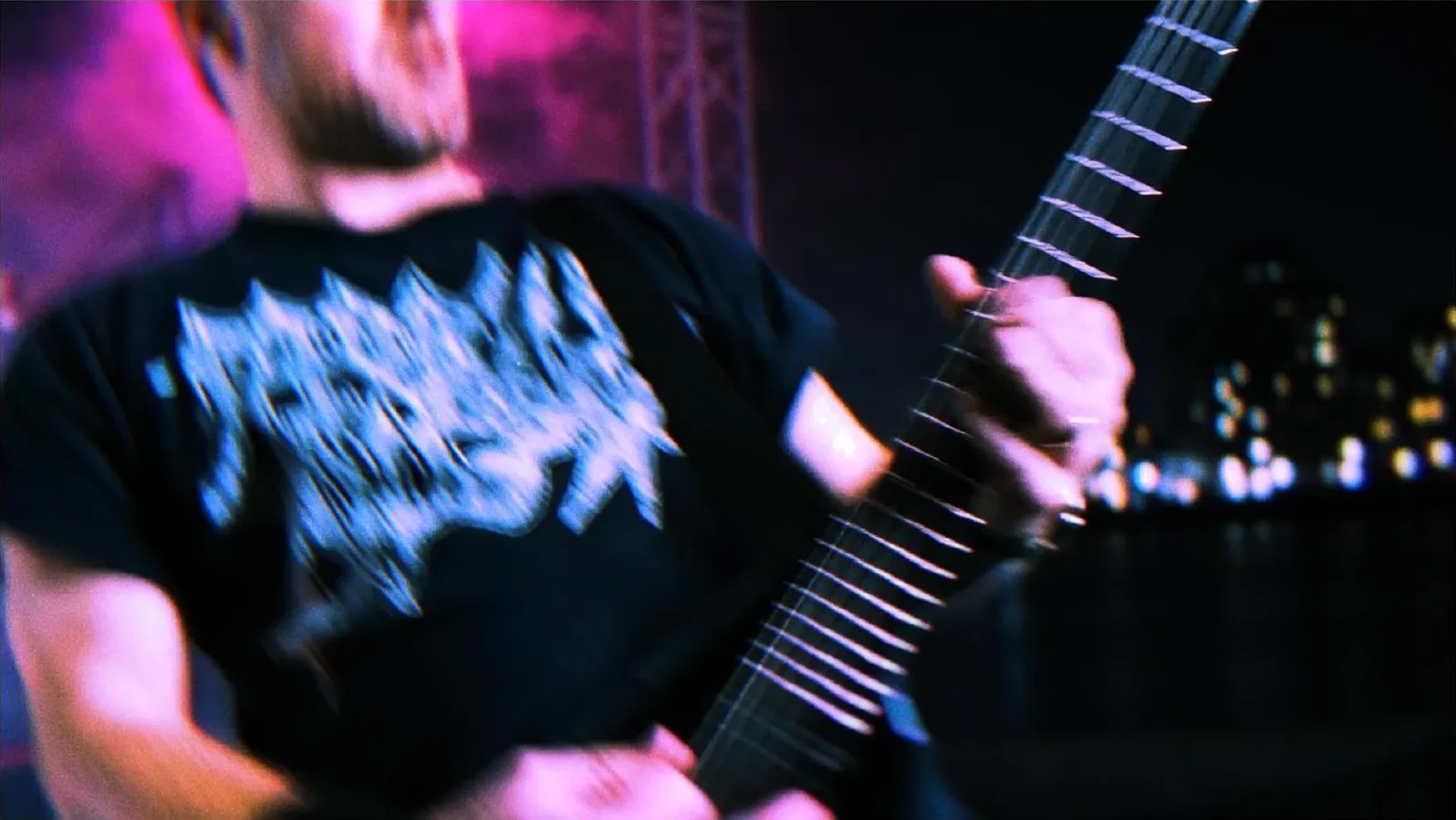
I was running around with a 21 mm lens, shooting handheld between the performers, doing whip pans, motion blur, and all the things that traditionally make VFX work more difficult.
Also my only other crew member was Joran Ost, my gaffer, and we couldn't always build every shots lighting situation out perfectly to what it would be later in the generated world. So I had to trust SwitchX also on the relighting and recoloring for some shots.
Sometimes I was even shooting into the wrong side of the green screen, and parts of the studio were visible.
Basically every 'mistake' you could make. What surprised me was how well it still worked.
Were there any shots that particularly demonstrated what SwitchX could do?
The quick pans were probably the biggest surprise.
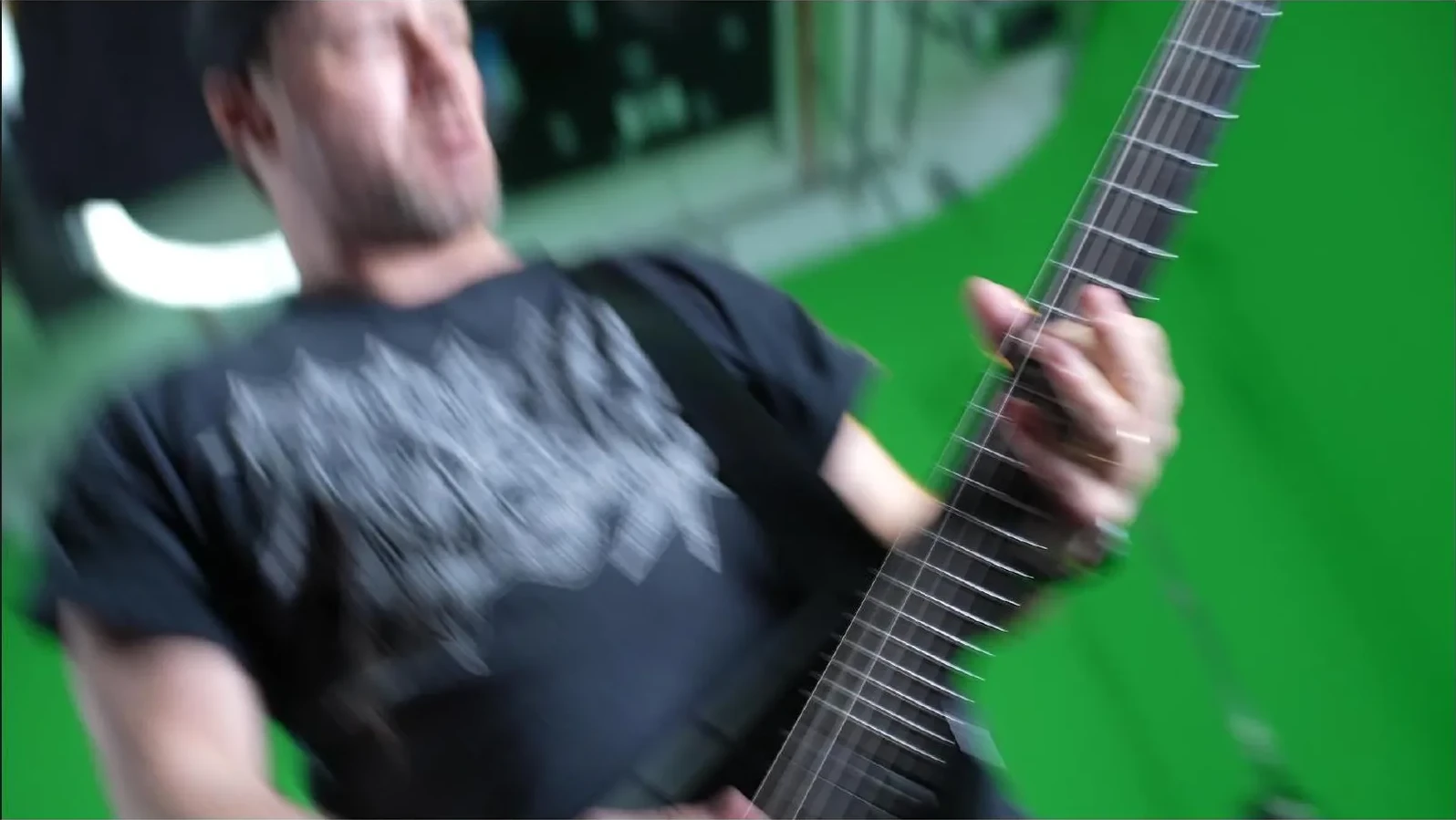
There are shots where I start on one band member, whip pan across the frame, and land on another person. During the pan, there's almost nothing visible except motion blur.
When I compared the original footage with the SwitchX result, it was tracking things incredibly accurately.
Sometimes I'd think something looked strange in the transformed shot, then I'd switch back to the original footage and realise that's exactly how the motion blur looked in-camera.
It's pretty amazing that it can understand what's happening when there are barely any visible details in the frame.
You're also testing SwitchX for a feature film. Can you tell us about that project?
It's an independent sci-fi feature I'm developing together with Invideo.io.
We've spent the last few months writing the screenplay and creating an 80-page treatment. Almost every scene has already been visualised.
The goal is to make an ambitious science-fiction film using a hybrid workflow. I still want miniatures. I still want practical effects. I still want real sets wherever possible. But now we can combine those things with AI tools and stretch the budget much further.
If we build an asteroid miniature, for example, it's actually more valuable than before because we can generate additional angles, backgrounds, or extensions around it later.
How are you evaluating SwitchX for the feature?
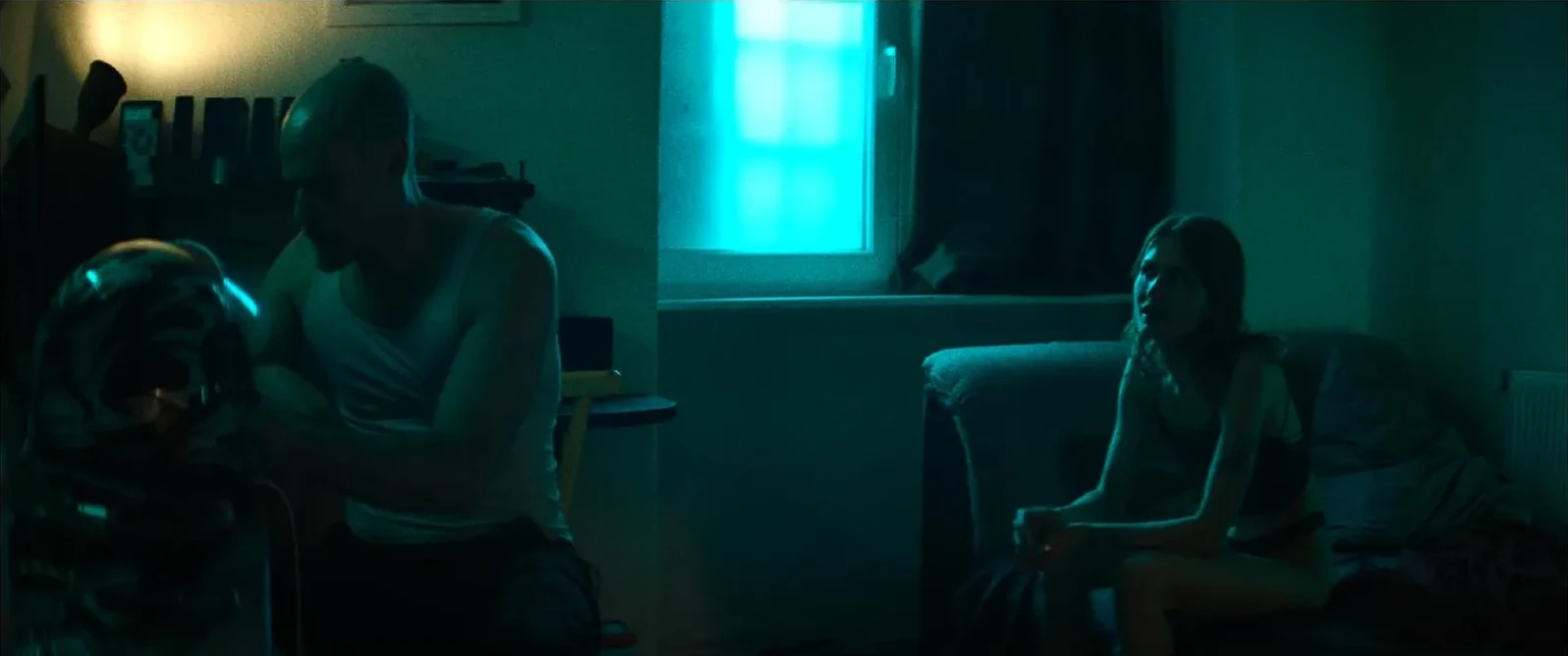
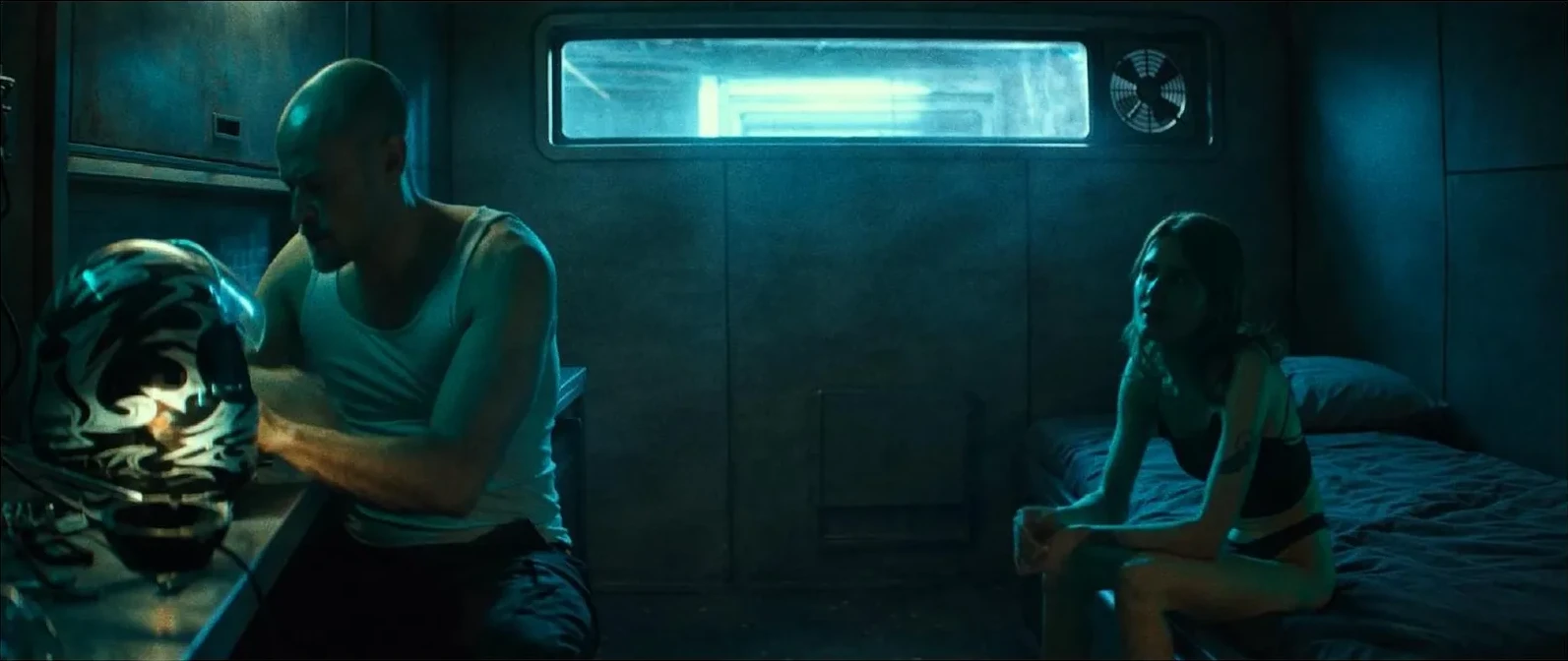
We've already used it for previs and proof-of-concept work. We shot test scenes in my house and transformed them into completely different environments to see what was possible.
A lot of the testing has been around lenses and cameras because I wanted to understand where the limitations were before we start production.
I haven't really found an example where it doesn't work yet.
You mentioned testing Alexa Mini footage with anamorphic lenses. What surprised you?
I honestly expected anamorphic footage to be much harder. Those lenses have all kinds of distortions, chromatic aberration, and focus characteristics that usually make VFX work more complicated. But it worked incredibly well.
In some ways, the more character and imperfection the footage has, the more convincing the final result becomes.
The AI does understand what the lens is doing. It helps make everything feel more real.
Has AI changed the way you think about production design, locations or scheduling?
Definitely. For one, we can now talk to our production designers first and figure out how the budget limits them. Then we can figure out if it potentially helps to extend the set from there using AI; may it be to add backgrounds or anything else we would usually consider to add in VFX but then rarely be able to afford it, at least on the smaller to medium scale projects that I'm used to working on.
Another big change is flexibility. You don't have to go back to a location because you missed a coverage shot. You can test ideas much earlier. You can visualise scenes before production.
A project like this simply wouldn't have been achievable at this budget level before.
What does your current workflow look like?
I edit in Premiere Pro. I grade in DaVinci Resolve. I use Photoshop heavily for image work and references. For AI generation, I use tools like GPT Image 2 and Nano Banana 2, and then SwitchX sits inside that workflow for compositing, relighting and environment transformation.
I usually like to keep control over things like grain, texture and final image treatment myself, so I often generate something relatively clean and then shape the final look afterwards.
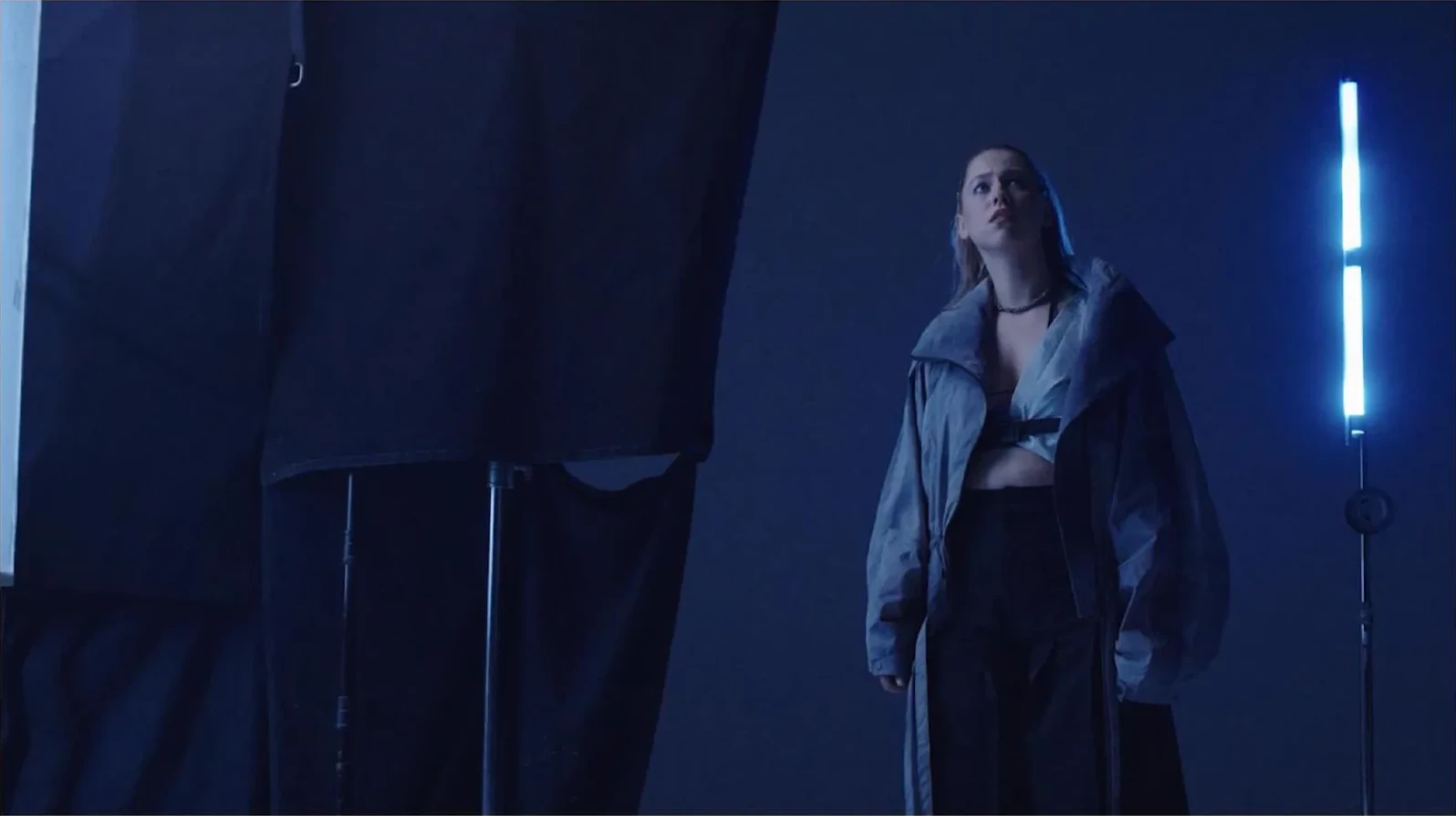
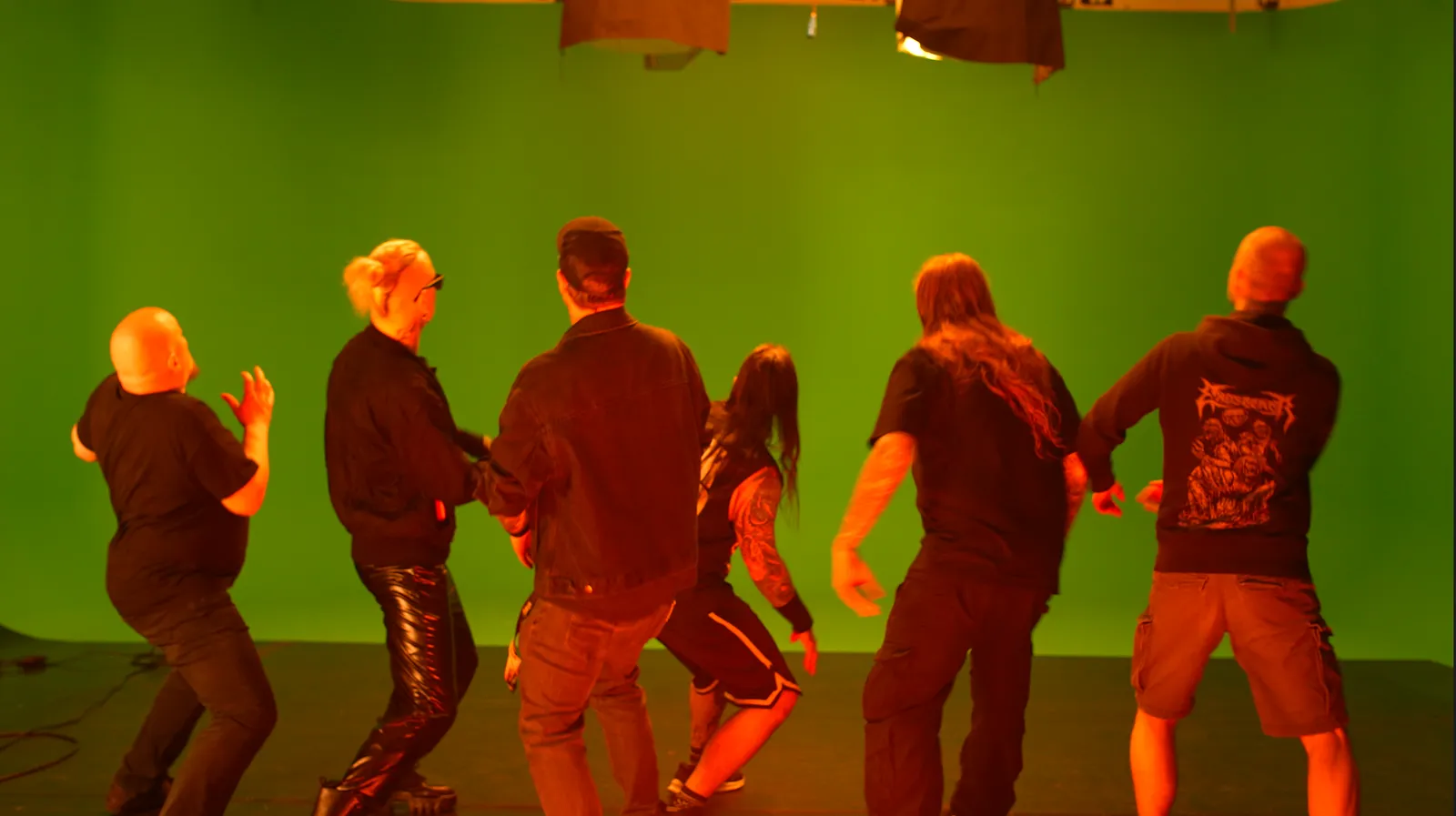 Original footage
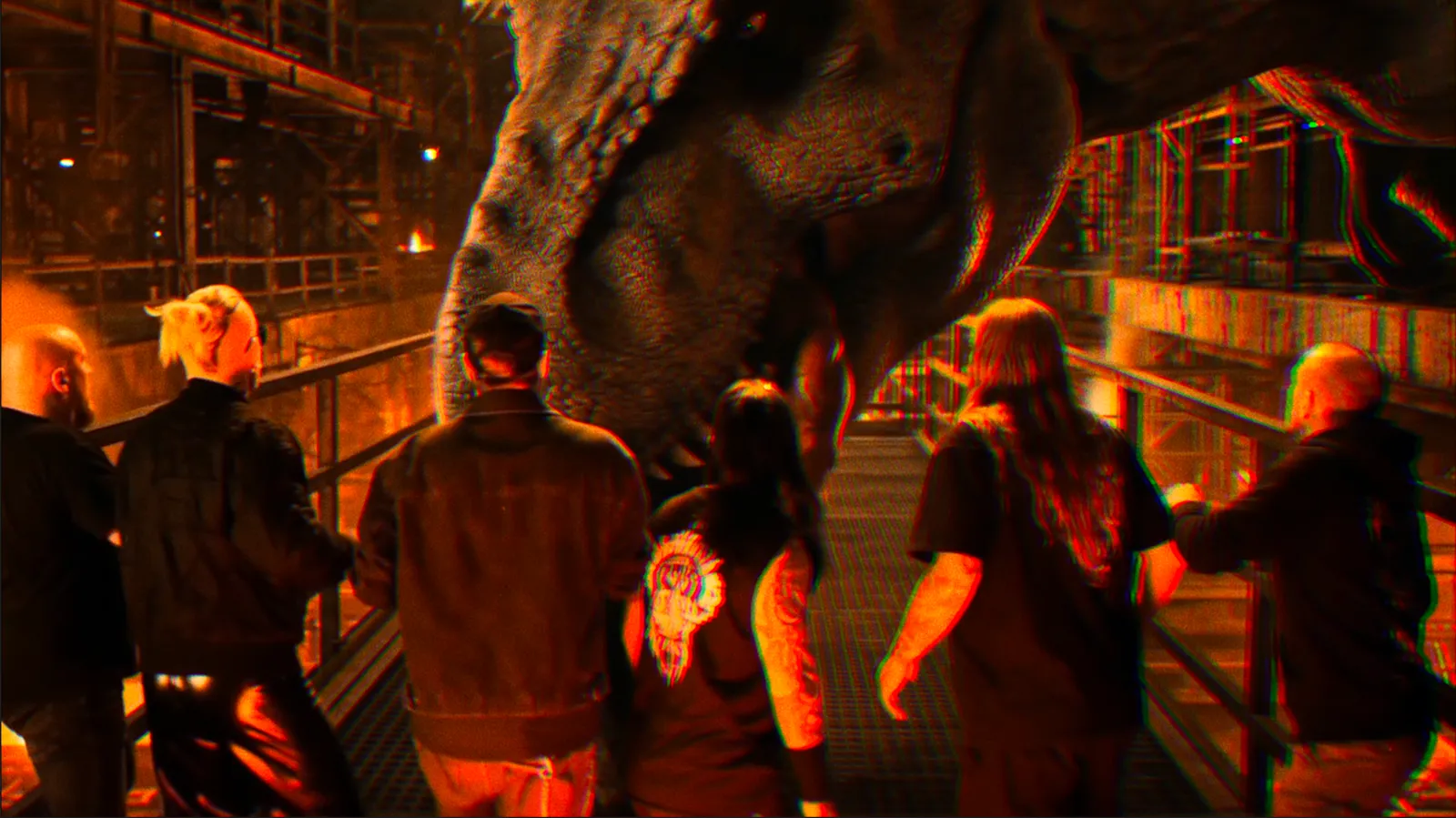 Final shot
Looking ahead, how do you think tools like SwitchX will change filmmaking?
I don't think audiences are going to immediately accept fully AI-generated films with no real performances behind them. People still connect with real actors and real emotion.
What excites me is combining those performances with tools that let us create films we couldn't afford before.
If you can work in this hybrid world, I think that is the future right now.