Conrad Curtis on AI filmmaking at ACM SIGGRAPH
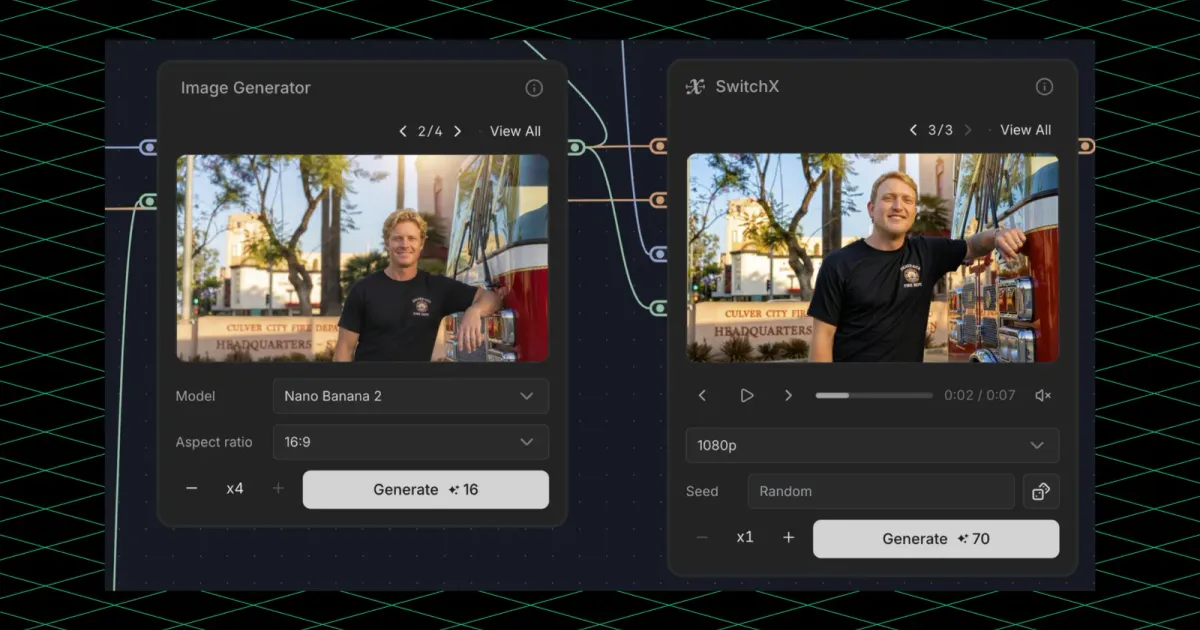
This week, Beeble's Head of Production and Partnerships, Conrad Curtis, joined filmmakers and technologists at ACM SIGGRAPH Los Angeles to discuss one of the fastest-changing areas in production: how AI, spatial capture, and virtual production are reshaping filmmaking workflows.
Drawing on more than 15 years in physical production, Conrad explored how emerging tools can fit into existing production pipelines, giving filmmakers more flexibility before, during, and after a shoot.
Building workflows that solve real production challenges
As a DGA Assistant Director, founder of VPX Lab, and Production and Partnerships Lead at Beeble, Conrad has spent the last several years testing practical production technologies alongside working filmmakers.
His presentation focused on a simple idea: every new technology should solve a real production problem.
The session demonstrated how AI, 3D scanning, or virtual production can work together to create more efficient, controllable workflows while preserving creative intent.
How quickly the technology has evolved
One of the presentation's themes was just how rapidly production technology has changed.
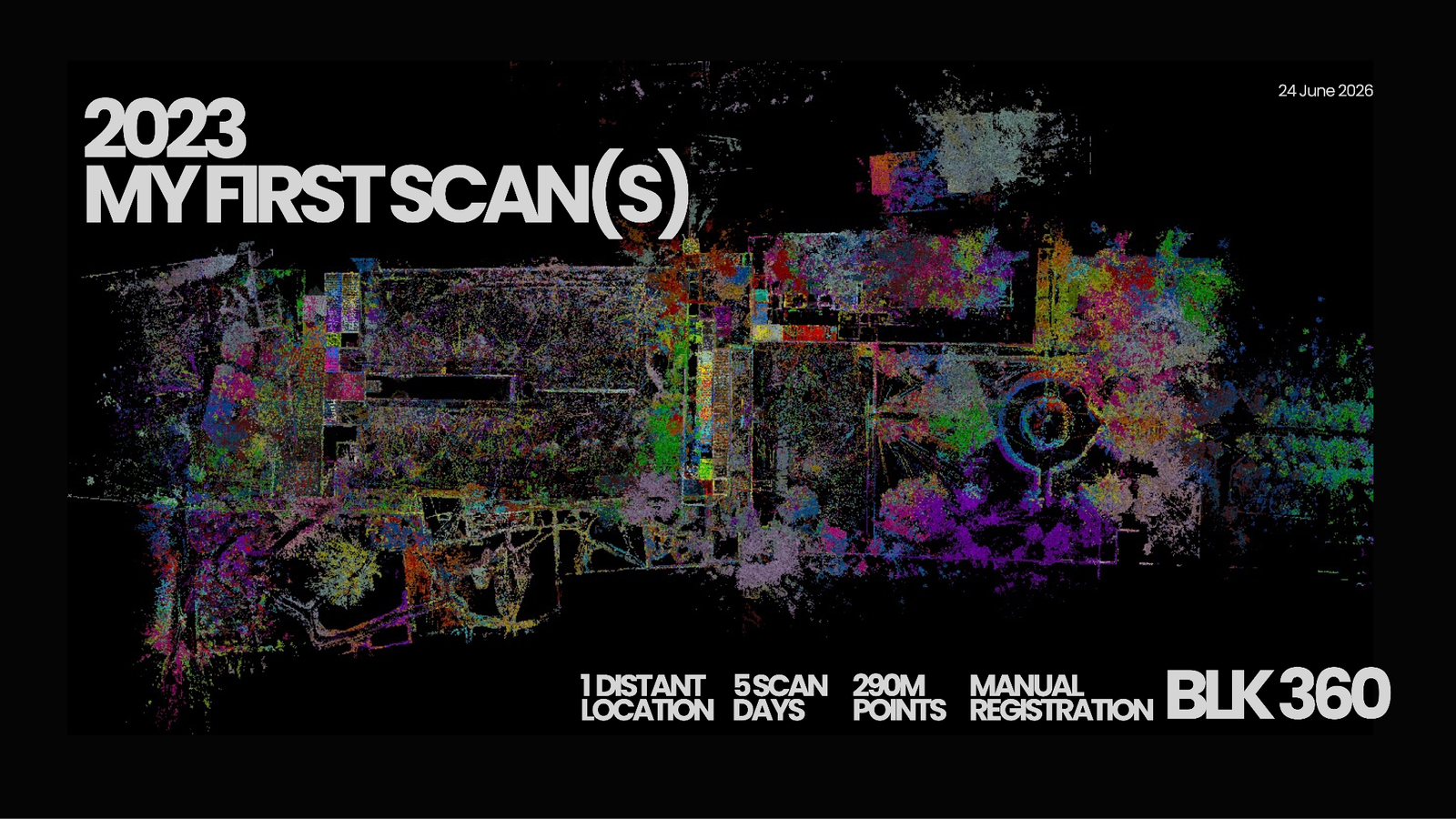
Only a few years ago, creating accurate digital replicas required days of LiDAR scanning, manual point cloud registration, and extensive optimization before assets could be used in production.
Today, portable spatial capture devices can generate high-quality scans in minutes, making location digitization practical for a much wider range of productions.
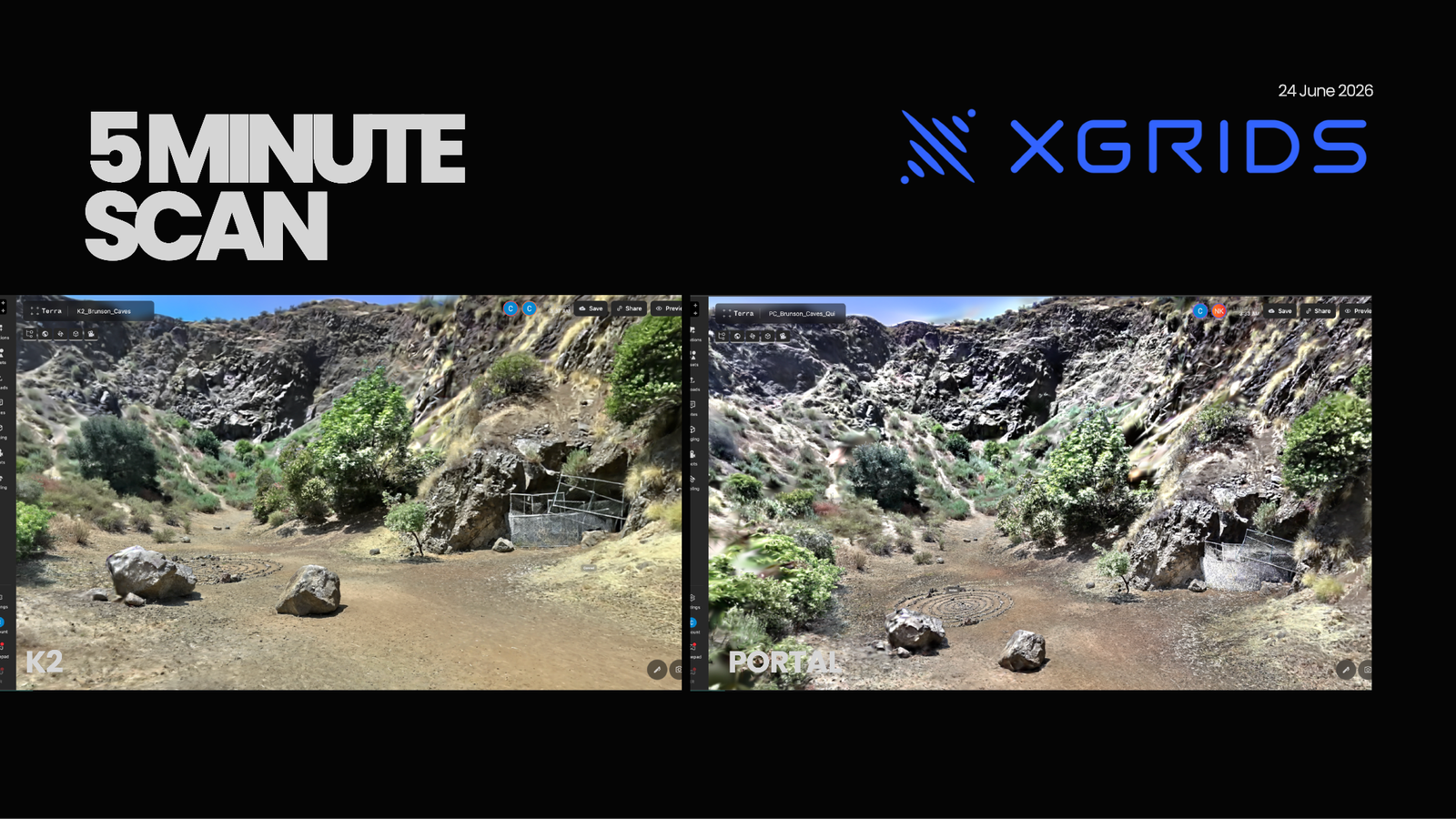
Spatial capture meets AI VFX
The presentation also explored how spatial scans can complement AI-assisted visual effects.
Using examples from Beeble SwitchX, Conrad demonstrated workflows where filmmakers combine:
- Spatial scans for accurate scene geometry.
- AI-generated physically based rendering (PBR) passes.
- Semantic masking and AI roto.
- Reference-based generation for environment replacement and relighting.
Instead of rebuilding an entire scene from scratch, these workflows allow filmmakers to preserve the original performance while introducing new environments, lighting conditions, or visual effects with greater control.
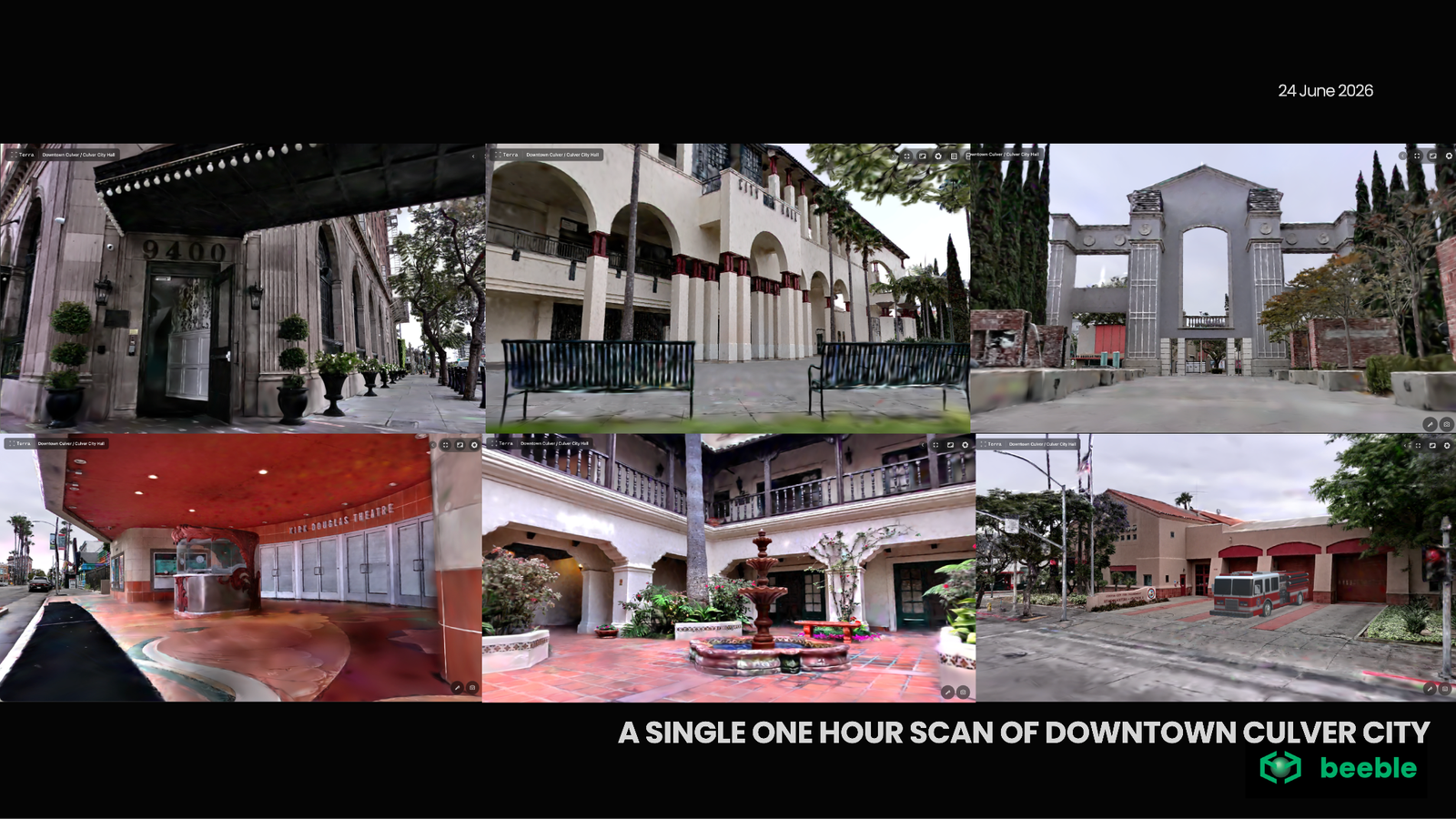 One-hour raw scan
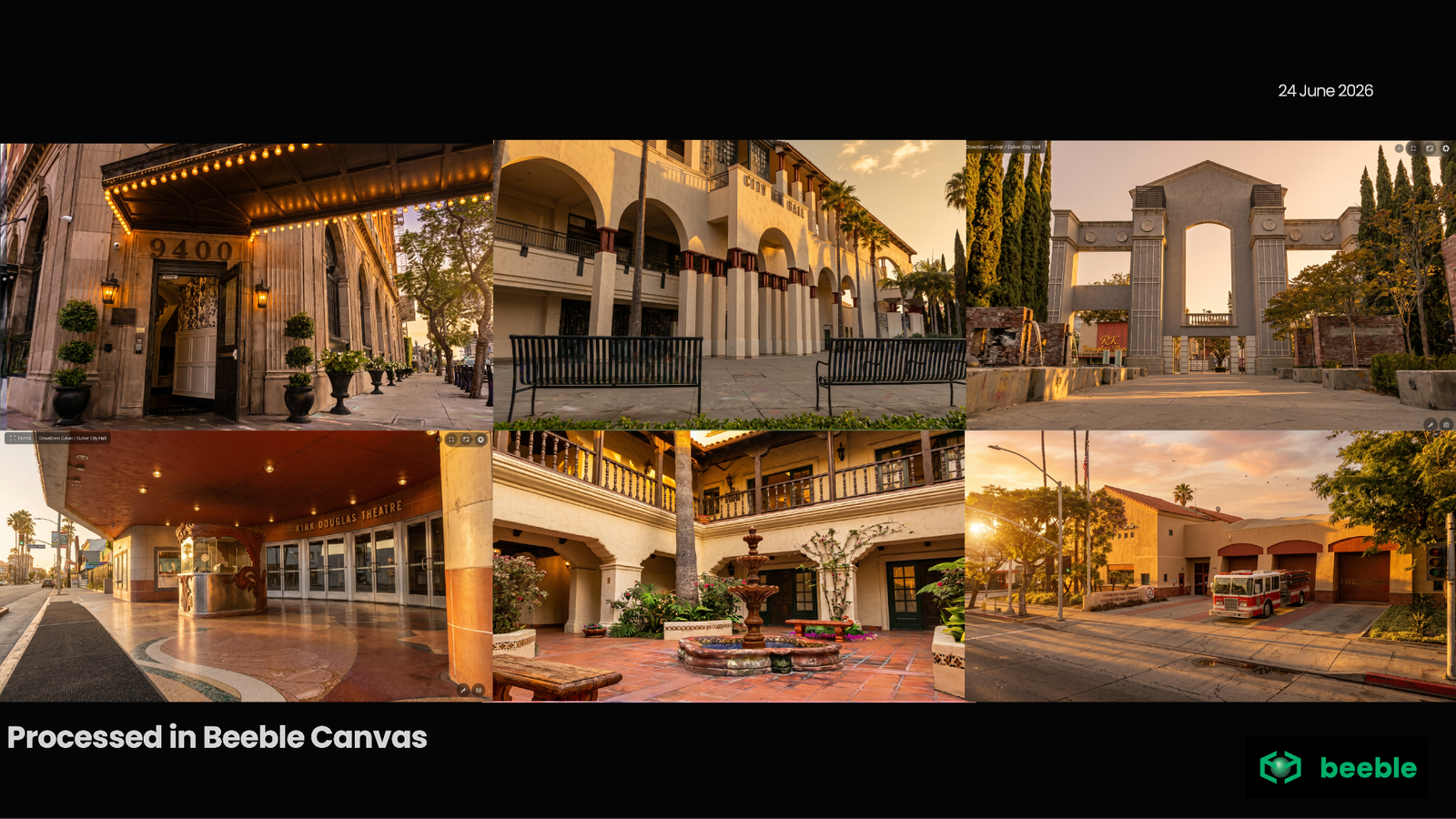 Processed in Beeble Canvas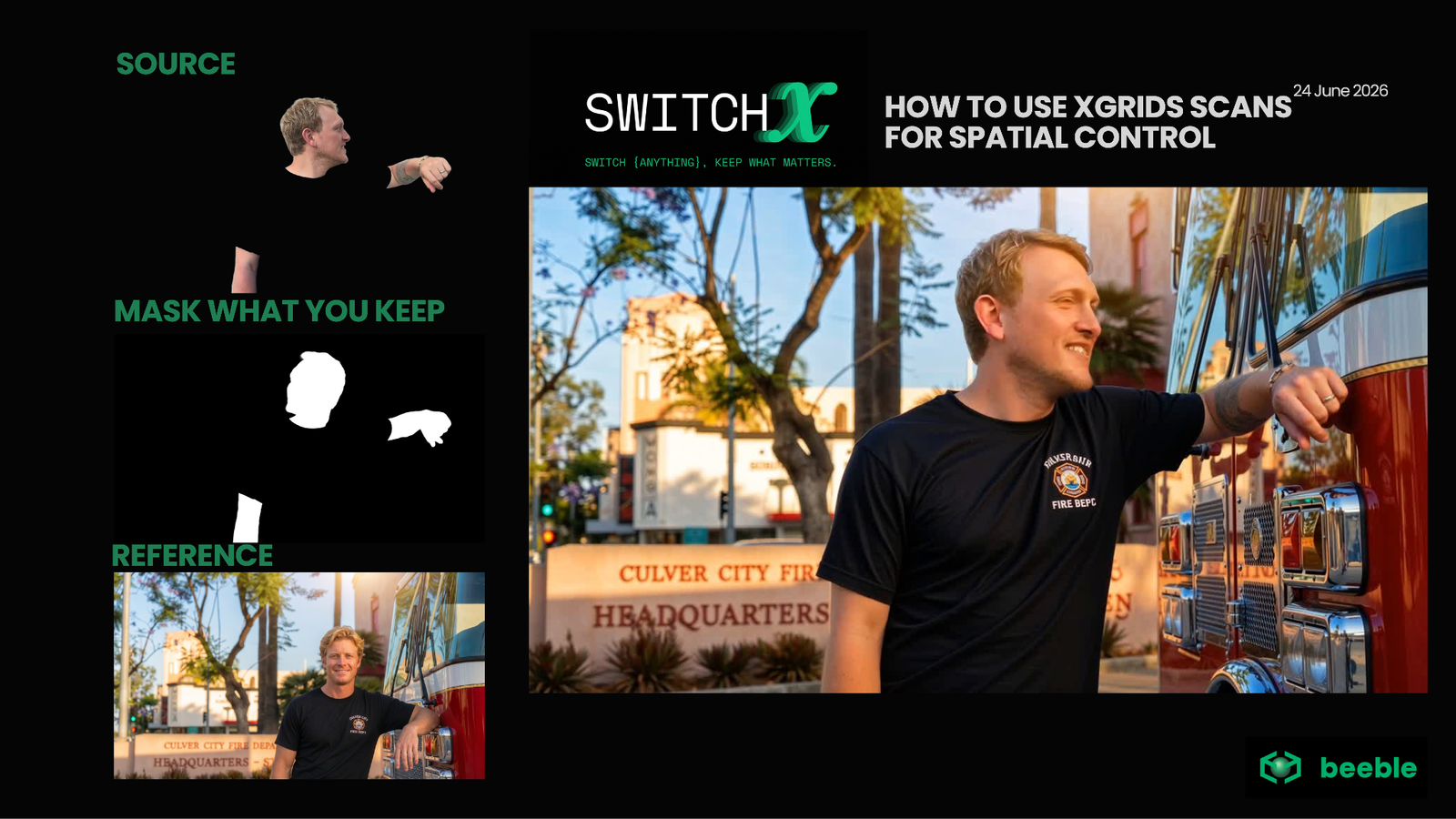
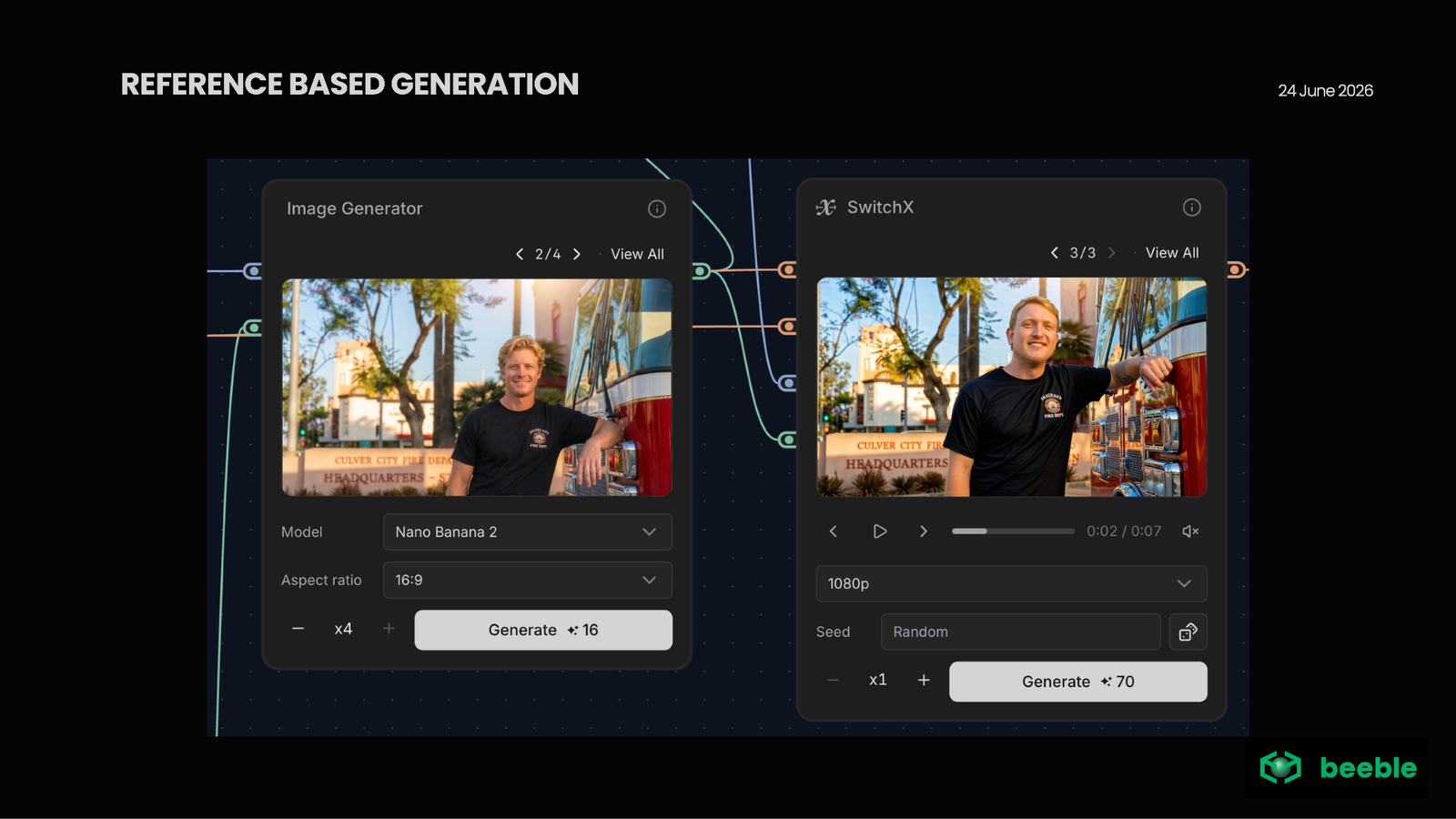
Keeping filmmakers in control
A recurring message throughout the talk was that AI should increase creative control, not reduce it.
Whether using SwitchX to relight footage or combining spatial scans with generative tools, the goal is to give cinematographers, VFX artists, and directors more options after capture while maintaining continuity and respecting the creative decisions made on set.
As AI capabilities continue to evolve, the conversation is shifting away from simply generating images toward building production-ready workflows that integrate with existing filmmaking practices.
For Beeble, that means developing tools that fit naturally into modern production pipelines, helping artists spend less time on technical bottlenecks and more time refining the creative result.
We'd like to thank ACM SIGGRAPH Los Angeles for hosting the event and everyone who joined the discussion.
Interested in exploring AI relighting and reference-based VFX workflows for your own productions?